
Why hidden costs catch families off guard
A family that has budgeted carefully for flights and lodging can still arrive home hundreds of dollars over budget. The culprit is rarely one big surprise. It is a cluster of smaller charges that each seemed manageable in the moment: a daily parking fee, a Wi-Fi charge, bottled water at $6 a piece, and an optional insurance add-on that felt risky to skip.
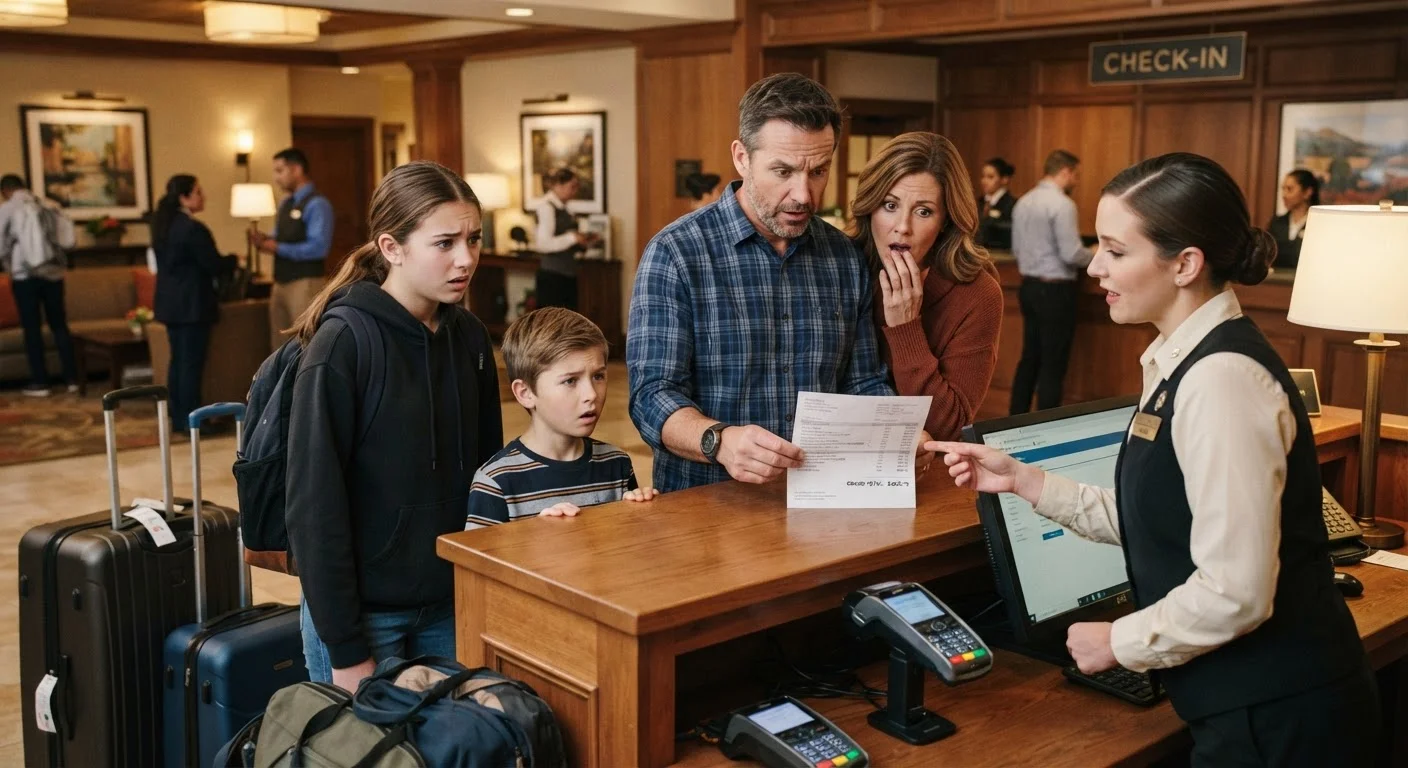
These costs share a design feature. They appear late in a booking flow or at the physical point of check-in, when a family has already committed emotionally and logistically to a trip. Backing out feels costly even when proceeding actually is. Awareness of that dynamic is the first line of defense.
The pre-trip checklist approach helps most: treat the advertised price as a starting point, then build a complete cost picture before you confirm anything.
Treating the headline room rate as the total nightly cost.
Why it happens: Booking platforms display the base rate prominently and move mandatory fees to a summary screen that many users skip.
Ignoring daily parking costs when choosing a hotel.
Why it happens: Parking is treated as a logistics detail rather than a budget item, so it rarely appears in the mental math families do when comparing lodging options.
Buying travel insurance through a rental car counter or hotel front desk without comparing it to existing coverage.
Why it happens: Staff present the add-on at a moment of low attention, and declining feels like taking a risk. Many families do not know their auto or homeowners policy may already cover some travel scenarios.
Letting airport meals and convenience store stops absorb a disproportionate share of the food budget.
Why it happens: Travel schedules create hunger at inconvenient times, and airport or roadside options are the only visible choice when families have not planned ahead.
Skipping a read of the cancellation and change fee policy before booking.
Why it happens: Families book quickly when they find a rate they like, and the cancellation terms feel like fine print that will not apply to them.
Underestimating the cost of attraction upsells once inside a venue.
Why it happens: Upsells are sold at the point of highest excitement, and each individual item is priced to feel affordable relative to the total trip cost already spent.
Where the money actually goes
Resort fees are among the most commonly cited sources of travel budget overruns. Many hotels in popular destinations add a mandatory daily fee that covers amenities families may not use, such as pool towels, gym access, or a welcome drink. These fees are disclosed somewhere in the booking terms, but they rarely appear in the headline rate that comparison sites display.
Resort fees are mandatory, not optional
A hotel listed at $89 per night with a $45 daily resort fee costs $134 per night, not $89. These fees are legal and disclosed, but the disclosure is often buried in booking terms. Always confirm the total nightly charge, including all mandatory fees, before you submit payment. Some states have ongoing regulatory discussions about fee transparency, but no uniform federal rule currently requires upfront display of these charges.
Parking is a second reliable drain. A hotel in a city or near a theme park may charge $25 to $50 per night for on-site parking, which can exceed the cost of a budget meal for the whole family. Some properties outside walking distance of an attraction offer free parking, which offsets the cost of driving a short distance rather than paying for the nearest lot.
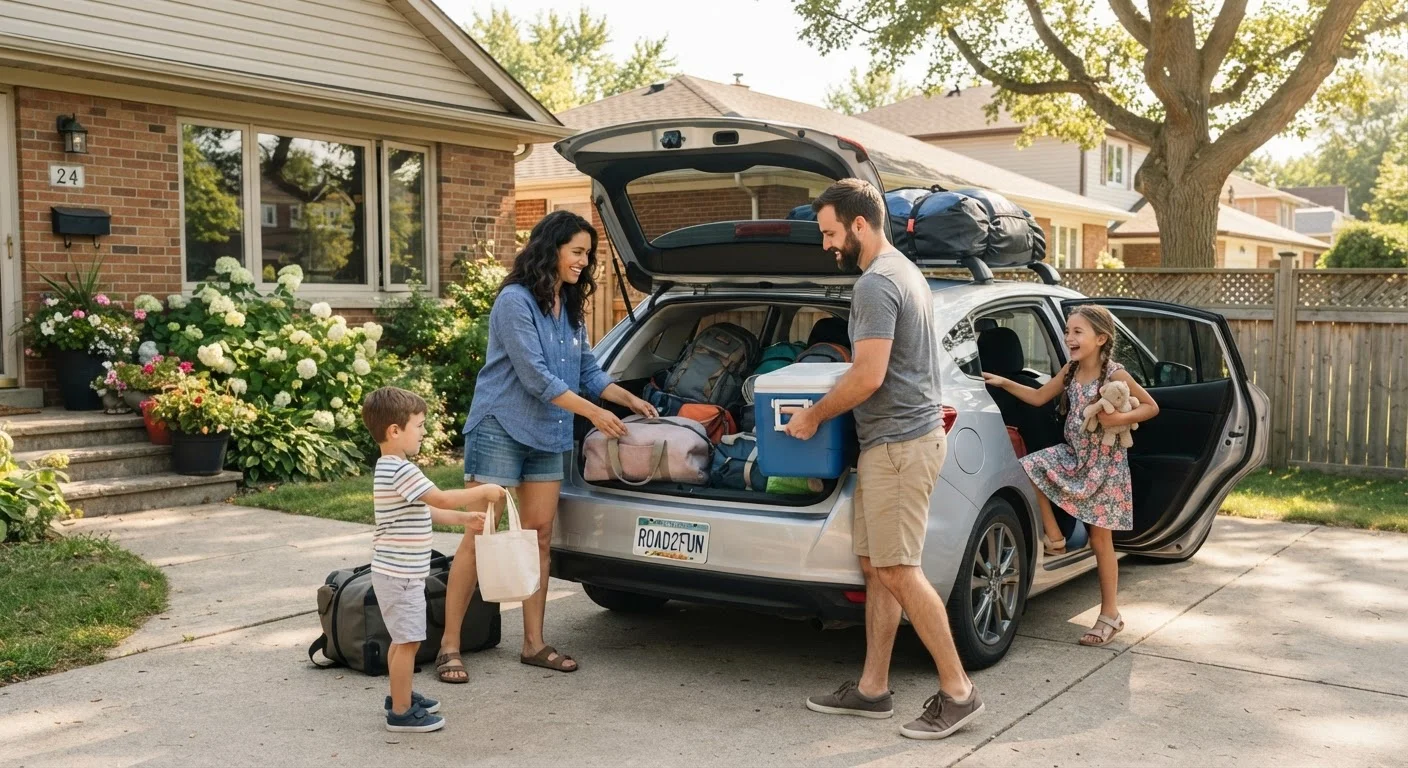
Food costs at tourist areas follow their own logic. A sit-down meal inside a theme park or resort complex can run two to three times what the same meal costs a mile away. Families who build in at least one grocery run during a multi-day trip consistently spend less overall. The road trip budgeting strategies that work for driving trips translate directly here: pack a cooler, plan where you will eat before you are hungry, and treat restaurant meals as deliberate choices rather than defaults.
Attraction upsells are a separate category. A general admission ticket often unlocks the ability to buy faster access, character dining, premium seating, or souvenir packages inside the gate. Each item is priced to seem incremental, but a family of four buying two or three of these additions can double the original ticket cost. Deciding before you arrive which, if any, upsells fit the budget avoids the in-the-moment pressure that parks and venues are designed to create.
For a fuller look at how accommodation choices affect total trip cost, see the camping versus budget hotels comparison, which breaks down real per-night costs beyond the room rate.