
Breaking down the real nightly cost
The sticker price gap between camping and budget hotels is significant. State park campground fees in the U.S. typically run $20 to $45 per night for a standard tent or RV site. Budget hotel chains commonly charge $80 to $130 per night for a room that sleeps a family of four, though prices vary by region and season.
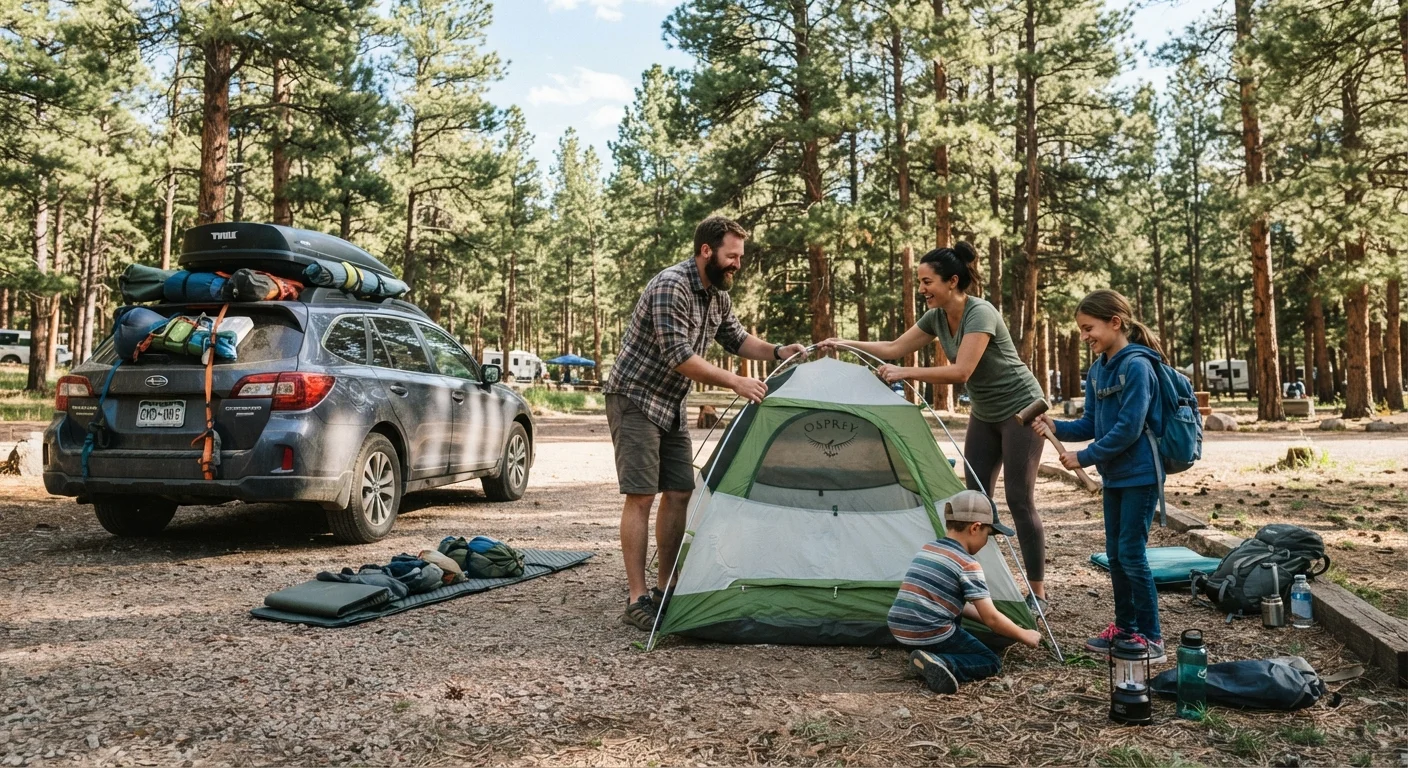
That gap looks clear until you add gear. A functional family camping setup, including a four-person tent, sleeping bags rated for the season, a camp stove, and basic cookware, can cost $300 to $600 if purchased new. Families who already own gear or can borrow it avoid this entirely. Those buying everything before a first trip need roughly six to ten camping nights to recoup the investment compared to budget hotel stays.
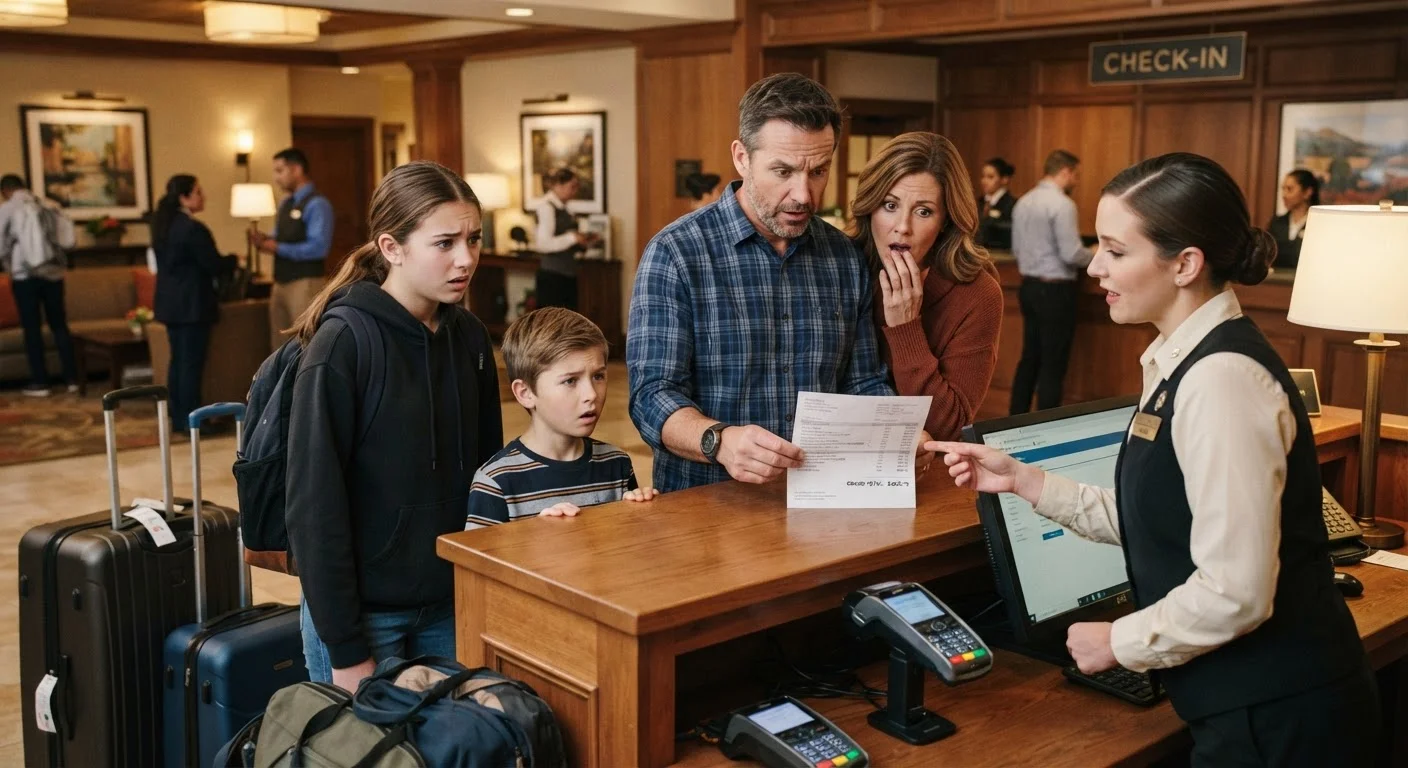
Hidden hotel costs deserve attention too. Parking fees of $10 to $20 per night, mandatory resort fees at some properties, and in-room Wi-Fi charges can add $20 to $40 per night to a listed rate. Most public campgrounds include parking in the site fee.
| Criterion | Camping | Budget hotels |
|---|---|---|
| Average nightly cost | $20 to $45 per site | $80 to $130 per room |
| Startup investment | $300 to $600 for new gear | None required |
| Daily food cost (family of 4) | $30 to $50 (self-cooked) | $100 to $150 (dining out) |
| Bathroom access | Shared or vault facilities | Private in-room bathroom |
| Weather dependency | High | None |
| Setup time per night | 30 to 60 minutes | Under 5 minutes |
| Hidden fees | Rare; usually included | Parking, resort fees common |
| Best trip type | Park-based, repeated trips | Multi-stop, infrequent travel |
Food costs: where camping tends to pull ahead
Accommodation is only part of the picture. A family of four eating three restaurant or fast-food meals daily on a hotel-based trip can spend $100 to $150 per day on food alone. Cooking at a campsite drops that figure considerably. Groceries for simple camp meals, think pasta, eggs, sandwiches, and grilled proteins, typically run $30 to $50 per day for four people.
Over a five-night trip, that difference is $250 to $500 in food savings. For many families, the food math alone justifies camping even when nightly site fees and gear depreciation are factored in. Budget hotels with in-room microwaves and mini-fridges allow some self-catering, but the options are limited compared to a full camp kitchen setup.
See road trip budget strategies for meal-planning approaches that work across both accommodation types.
Comfort, logistics, and what families actually give up
Budget hotels provide a private bathroom, climate control, and a flat bed. Those matter more than they sound when traveling with young children, elderly family members, or anyone with a health condition. Campground restrooms range from clean vault toilets to full shower facilities depending on the park, and sleeping on the ground in variable temperatures is not comfortable for everyone.
Camping also requires setup and breakdown at every site, which adds 30 to 60 minutes to each day. On a multi-stop trip, that time cost accumulates. Budget hotels allow families to unload one bag and move on.
Weather is the other variable. A rainy week at a campsite is a miserable and sometimes genuinely difficult experience. A rainy week at a budget hotel is a minor inconvenience. Families traveling to destinations with unpredictable weather should weigh this honestly before committing to a camping-only trip. A pre-trip checklist can help you assess conditions and logistics before booking either option.
Which option saves more: the honest answer
Camping saves more money per trip for families who already own gear and camp at least two to three times a year. The math is straightforward: $25 per night versus $100 per night, plus food savings of $50 or more daily, adds up to $400 to $700 in savings on a five-night trip once gear costs are amortized.
Budget hotels save more for infrequent travelers, families with young children or accessibility needs, and anyone doing a multi-stop road trip where daily setup is impractical. The first-time family vacation planning process is also simpler with hotels: no gear list, no campground reservation system to navigate, and no weather contingency plan needed.
For families on the fence, a mixed approach works well: camp at national parks where the location advantage is clear, and use budget hotels for city stopovers or nights with uncertain weather. That combination often produces the lowest total trip cost without sacrificing the experience.