
Why road trips can still blow the budget
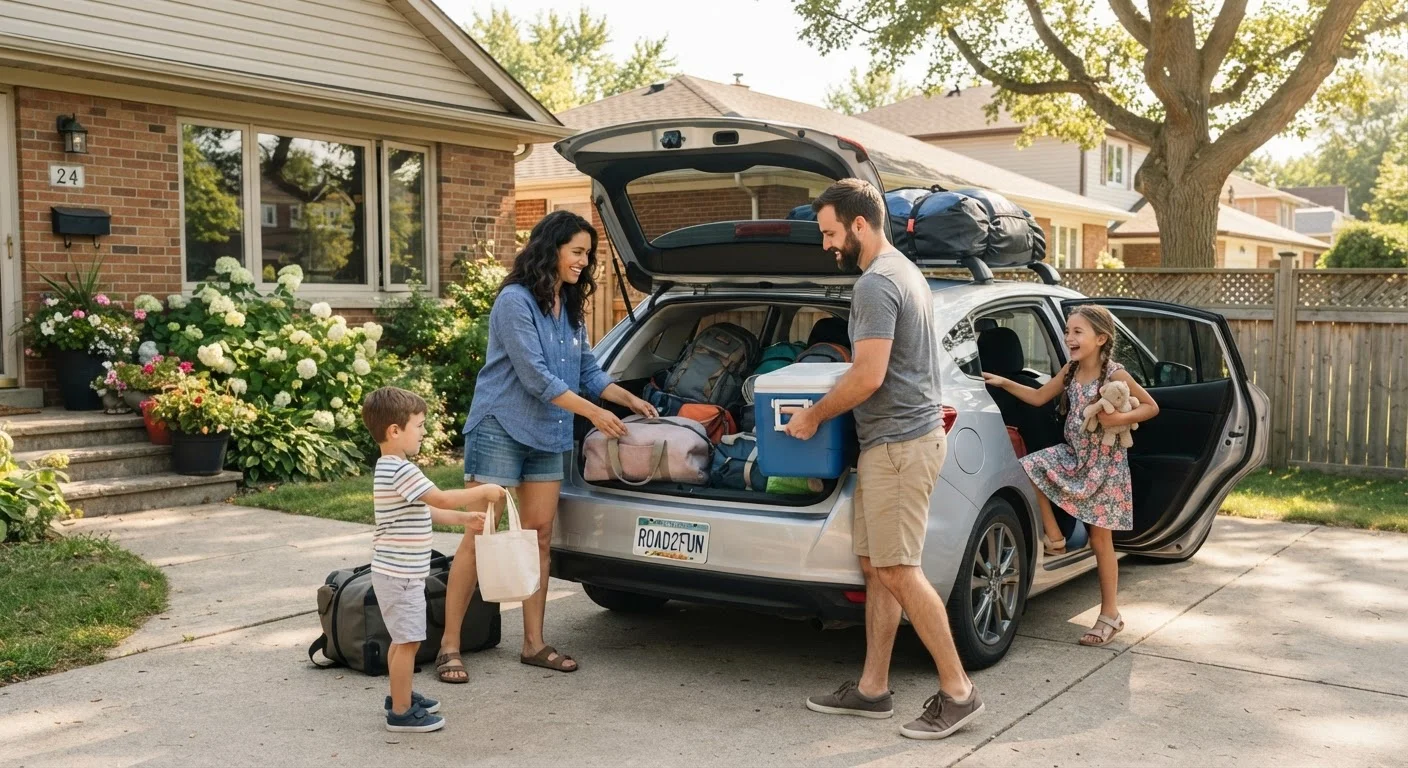
A road trip feels inherently frugal: no airfare, no baggage fees, no airport transfers. But families who tally the full cost afterward often find that gas, food, lodging, and activity fees at the destination add up faster than expected. The costs that quietly blow a family travel budget are especially common on road trips because the relaxed pace encourages more impulse spending.
The gap between a road trip that stays on budget and one that doesn't usually comes down to three things: how far you drive, how you handle food, and where you sleep. Get those three right, and most other costs are manageable.
Food: the easiest place to overspend and the easiest to fix
A family of four stopping at a highway fast-food chain twice a day can easily spend $80 to $100 daily on food alone. Multiplied over five days, that's $400 to $500 that could have covered two nights of lodging.
Packing a cooler with prepped meals, sandwich ingredients, fruit, and snacks is the most direct way to cut that number. A realistic target is one restaurant meal per day, treating it as the day's activity rather than a routine stop. Grocery stores near the destination work well for restocking without the markup of convenience stores or tourist-area restaurants.
For families who want a start-to-finish budget trip plan, food planning is one of the first line items to nail down before anything else is booked.
Distance, fuel, and vehicle readiness
Fuel is the one cost that scales directly with every mile you drive, so destination distance matters more on a road trip than most families account for in advance. A destination 300 miles away costs roughly half as much in gas as one 600 miles out, and also means less time driving and more time at the destination itself.
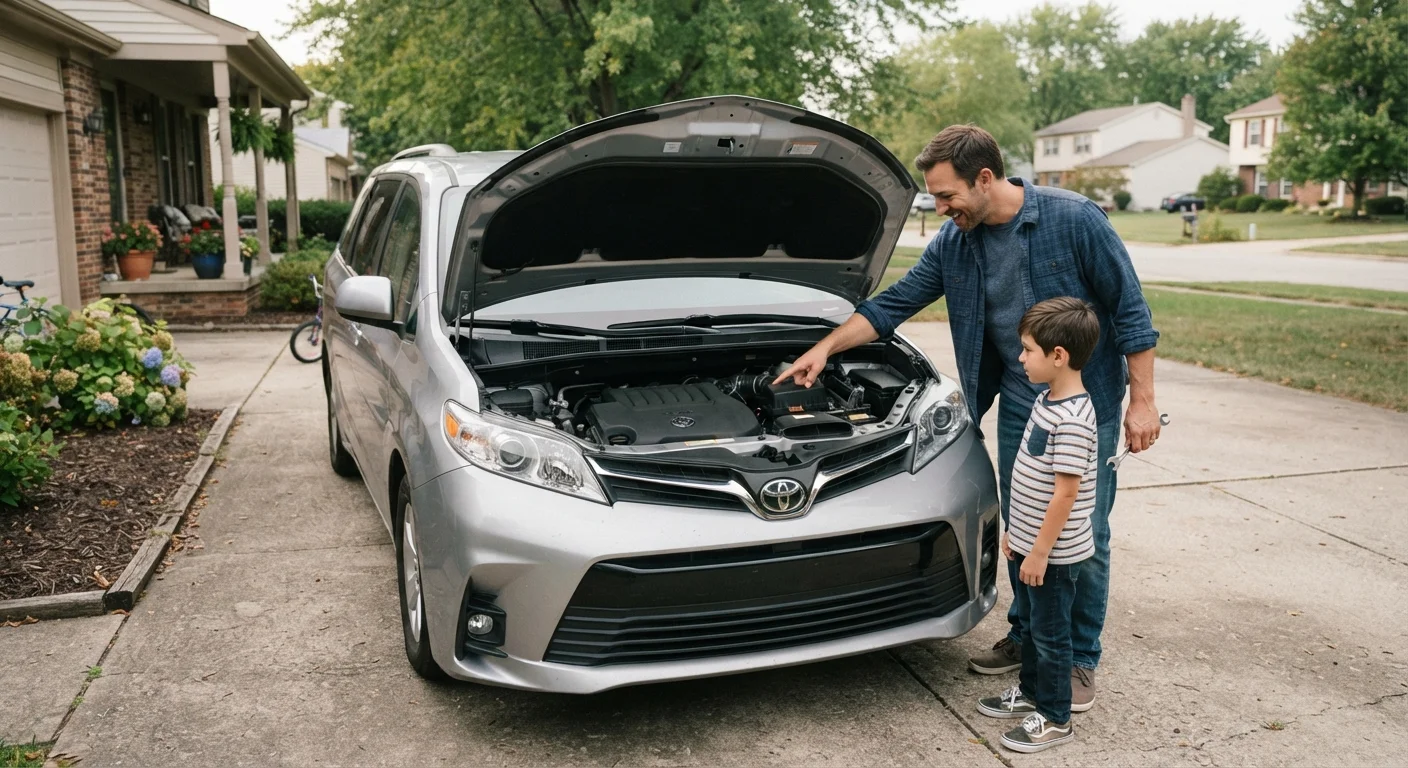
Vehicle condition affects fuel economy in ways that are easy to overlook. Under-inflated tires, a dirty air filter, and low fluids all reduce efficiency. A basic pre-trip check costs little and can prevent a breakdown that would cost far more. See our guide to keeping a high-mileage family car running for the maintenance items most worth checking before a long drive. Some tasks, like checking tire pressure and swapping an air filter, are genuinely DIY-friendly as covered in car maintenance tasks you can safely do at home.
Set a per-day spending cap before you leave, not after you arrive.
Without a daily number, spending decisions on the road are made individually and tend to accumulate. A cap forces trade-offs to happen consciously rather than by accident.
Build at least one flex day into any trip longer than four days.
Rigid itineraries push families to keep driving or pay for planned activities even when the group is tired. A flex day absorbs delays and lets the family use free local options instead of paid ones.
Research free admission days at museums and attractions along your route.
Many publicly funded museums and state-run attractions offer free or reduced admission on specific days or for specific age groups. This information is usually on the attraction's official website.
Pack a basic roadside emergency kit and know your vehicle's service history.
A breakdown on a highway with kids in the car is both a safety concern and a budget emergency. Knowing when the last oil change or tire rotation happened reduces the chance of an avoidable problem.
Use library cards to access free digital entertainment for kids before and during the trip.
Downloaded audiobooks, e-books, and app-based reading programs from public library systems cost nothing and can occupy children for hours without relying on paid streaming subscriptions.
Lodging trade-offs and timing
Lodging is usually the second-largest cost after fuel. The choice between camping and budget hotels involves real trade-offs in comfort, setup time, and per-night cost that depend on the family's gear situation and ages of the kids. A detailed comparison of camping versus budget hotels for a family of four shows that camping wins on cost when a family already owns gear, but the margin narrows when rental or purchase costs are factored in.
Timing affects lodging rates significantly. Traveling a few weeks before or after peak season at a given destination can reduce nightly rates without closing most attractions. That said, off-season travel has real complications worth understanding before committing to dates. See why off-season travel is more complicated than it sounds for a honest look at the trade-offs.
Activities: spending less without doing less
National parks, state parks, and public beaches provide full-day activities at low or no cost. The America the Beautiful annual pass, available through the National Park Service, covers entrance fees at over 2,000 federal sites for a flat annual fee, which pays off quickly on a multi-stop road trip. Beyond parks, many towns along popular routes have free museums, public hiking trails, and community events that don't appear in tourist guides but show up in a quick local search.
For families with kids, the free and low-cost national park activities for kids are often more engaging than paid attractions. Junior Ranger programs at national parks are free, self-paced, and available at most sites.
A full pre-trip review of what to confirm before departure, from entrance fees to road conditions, is covered in the pre-trip checklist for budget-conscious families.