

Why homeschool costs can spiral and how to stop it
Many families start homeschooling with the assumption that avoiding tuition means automatic savings. In practice, curriculum packages, supplemental workbooks, and subscription learning apps can add up to several hundred dollars per child per year before a single lesson begins. Without a plan, spending drifts.
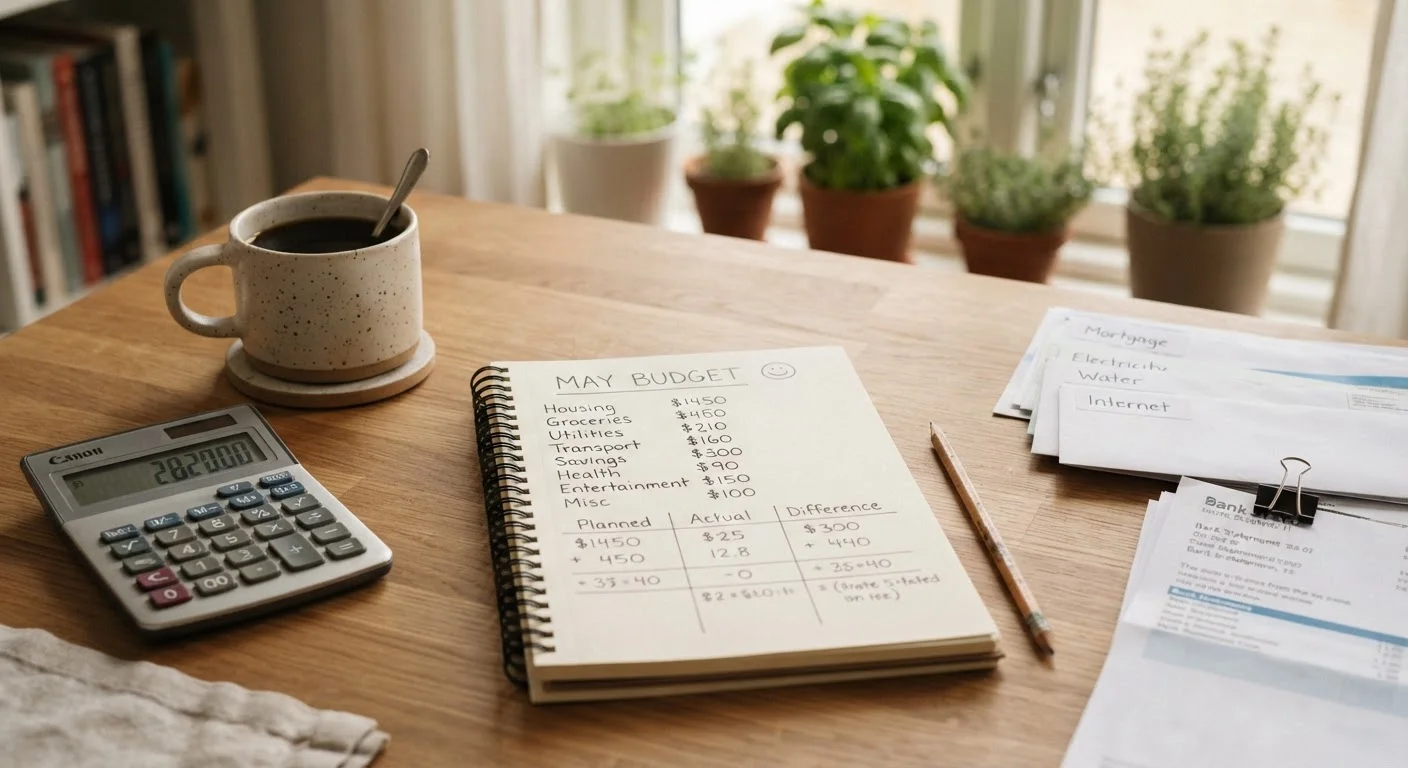
The root cause is usually curriculum shopping without a scope. When parents are uncertain what their child needs, they buy multiple options to cover gaps, and the redundancy compounds the cost. Anchoring your plan in your family budget before purchasing anything is the single most reliable way to keep homeschool spending proportional to your overall household finances.
State law also shapes what you actually need to buy. Some states require portfolio reviews or standardized testing, which affects which materials are worth paying for. Others impose no such requirements, giving families more flexibility to rely on free resources. Check your state's department of education website or a state-specific homeschool association before spending anything.
Core practices for keeping homeschool spending low
The following practices reflect approaches that homeschooling families across the US use to deliver solid academics without large outlays. None of them require sacrificing instructional quality.
Join or form a curriculum co-op with other local homeschool families.
Co-ops allow families to pool money to purchase a single set of materials, then rotate or share them across households. This structure cuts per-family cost while also distributing teaching responsibilities so no one parent covers every subject alone.
Use your public library as a primary curriculum source, not just a supplement.
Most US public library systems offer free access to digital platforms such as Libby, Hoopla, and Kanopy, which carry audiobooks, documentaries, and e-textbooks covering every core subject. Many branches also have dedicated homeschool resource collections and schedule structured programs.
Build your core curriculum around free, structured online platforms before adding any paid materials.
Platforms such as Khan Academy provide complete, sequenced instruction in math, science, reading, and humanities at no cost. OpenStax offers peer-reviewed, freely downloadable college-level and high school textbooks. Using these as the foundation eliminates the largest single spending category for most homeschool families.
Buy used curriculum materials and resell what you finish.
Homeschool curriculum holds resale value well because many families use it for only one year. Purchasing used workbooks and textbooks through homeschool co-op sales, used curriculum fairs, or community groups can reduce material costs by 50 to 70 percent. Reselling completed materials offsets future purchases.
Treat field trips and community activities as formal instructional time.
Museums, nature centers, historical sites, and community events cover science, history, and civics in ways a textbook cannot replicate. Many charge no admission for children or offer free homeschool days. Documenting these activities also satisfies the experiential learning components that some states require in homeschool portfolios.
For a broader inventory of no-cost and low-cost tools beyond these practices, see free and low-cost learning resources families often overlook.
Where to start this week
Families new to budget homeschooling often stall because the options feel overwhelming. These immediate steps reduce that friction.
Once your core free resources are in place, you can evaluate whether any paid supplement is actually filling a gap. That evaluation process is covered in the checklist for before you pay for tutoring or test prep.
This article is for general informational and educational purposes only. It does not constitute legal, financial, or instructional advice. Homeschool regulations vary by state; consult your state's official education authority and, where appropriate, a qualified financial adviser for guidance specific to your situation.