
Why most families do not know where their money goes
Income arrives, bills get paid, groceries get bought, and the month ends with less in the account than expected. This is the common experience for many American households, and it usually has nothing to do with careless spending. The issue is that money moves through a household in dozens of small transactions that are easy to lose track of without a structure to capture them.
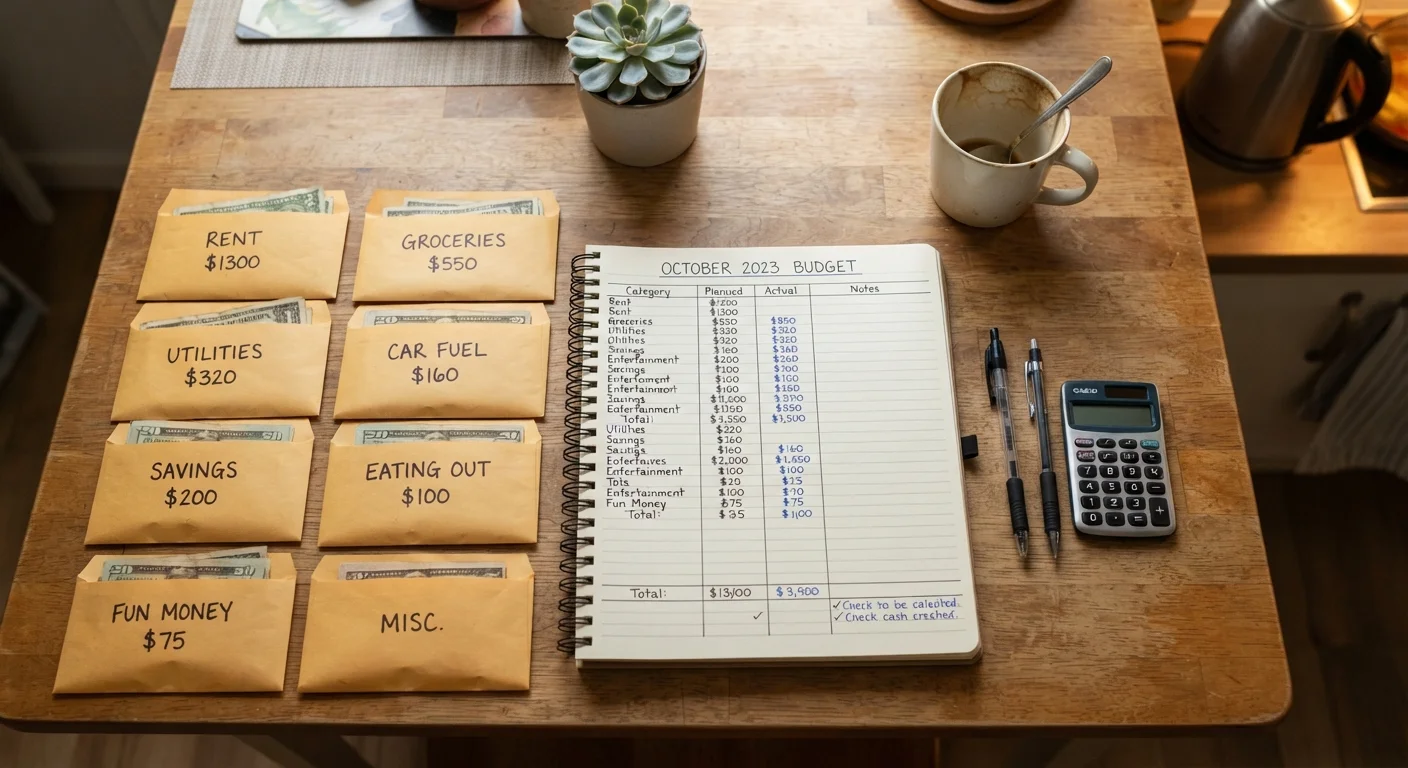
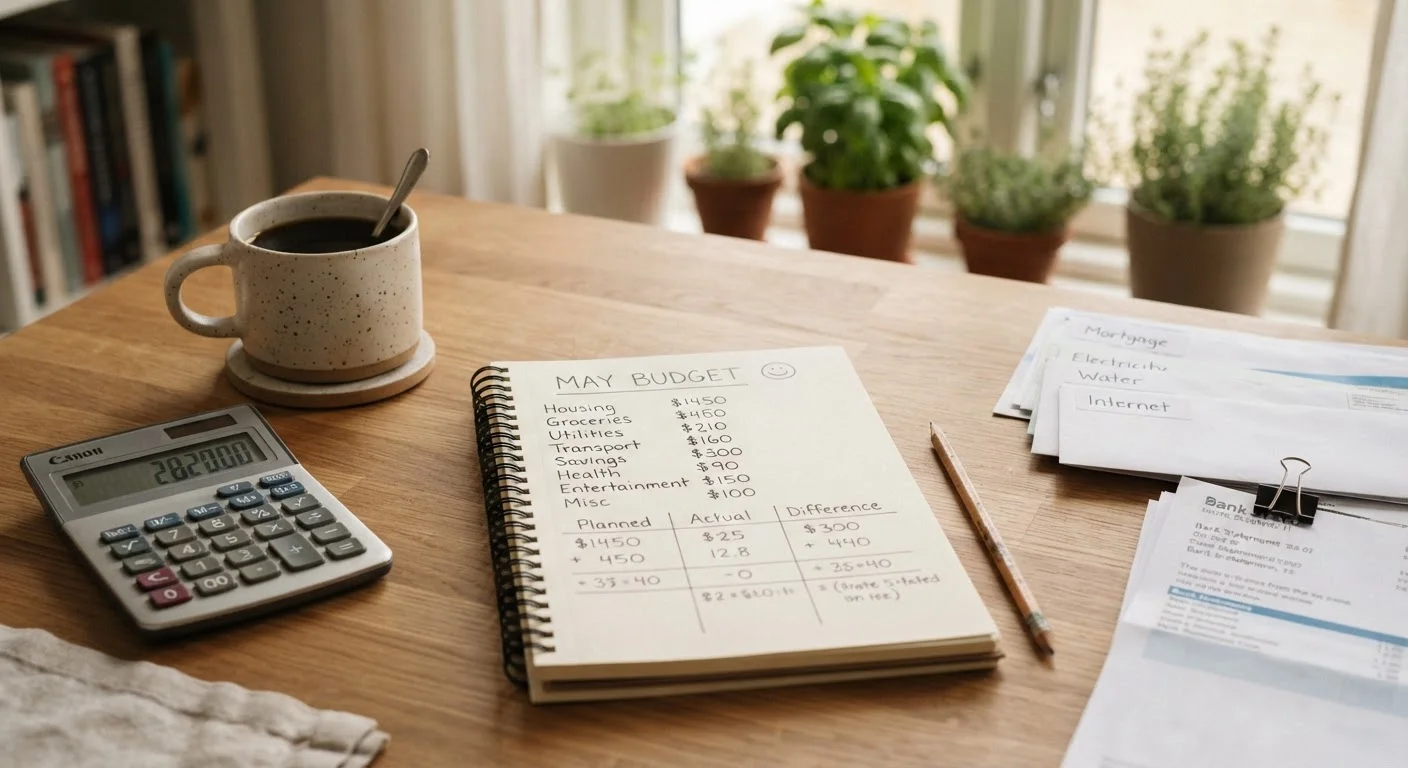
A budget creates that structure. It does not require complicated software or a background in finance. At its most basic, a budget is a list of what comes in and a list of what goes out, compared against each other. Once you can see both sides clearly, patterns become obvious and decisions get easier.
This article covers the standard spending categories that make up a typical family budget, explains what each one includes, and shows how to read the overall picture. For families who want to go further, two common budgeting methods can help structure day-to-day spending once the categories are clear.
The main spending categories in a household budget
Most household budgets organize spending into several standard categories. Understanding what belongs in each one prevents miscounting and makes comparisons easier over time.
Housing
This covers rent or mortgage payments, property taxes (if not escrowed), homeowner's or renter's insurance, and basic utilities such as electricity, gas, water, and internet. For most families, housing is the single largest monthly expense.
Food
Food spending splits into two parts: groceries purchased for home preparation, and meals eaten outside the home. Both belong in the budget, but keeping them as separate line items makes it easier to see where adjustments are possible.
Transportation
This includes a car payment, fuel, insurance, registration, and routine maintenance. Families who use public transit should count fares and passes here instead. Fixed and variable expense distinctions matter here because a car payment is fixed while fuel costs shift month to month.
Healthcare
Health insurance premiums paid out of pocket, copays, prescriptions, dental, and vision costs all belong in this category. For many families, these costs are partially covered through an employer, so the relevant figure is the portion deducted from each paycheck or paid directly.
Childcare and education
Daycare, after-school programs, school supplies, and activity fees belong here. These costs vary significantly by family size, children's ages, and location.
Savings and debt repayment
Savings and debt payments both compete for the same dollars, so they share a section. An emergency fund contribution, retirement savings, and credit card or student loan payments all belong here.
Personal and miscellaneous
Clothing, personal care, subscriptions, entertainment, and small irregular purchases fit here. This category tends to be where untracked spending accumulates.
33%
Average share of household spending on housing
According to the U.S. Bureau of Labor Statistics Consumer Expenditure Survey, housing consistently represents the largest single category in American household budgets.
12-13%
Average share of household spending on food
The Bureau of Labor Statistics Consumer Expenditure Survey shows food spending, combining groceries and dining out, typically accounts for roughly 12 to 13 percent of household expenditures.
17%
Average share of household spending on transportation
Transportation, including vehicle ownership and fuel costs, is the second-largest expense category in BLS Consumer Expenditure data for most American households.
How to read your own budget clearly
Start with net income, which is the amount deposited into your account after taxes, health insurance deductions, and retirement contributions are removed from your paycheck. Using gross income as the starting point inflates the number and produces a false picture of available funds.
Once you have a monthly net income figure, list every expense from the last two to three months using actual bank and credit card statements rather than estimates. Estimates tend to undercount spending in food, entertainment, and personal care categories.
Add the expenses up by category and compare each total to your net income. If expenses exceed income, the gap needs to close somewhere specific. If income exceeds expenses, the difference should be assigned intentionally rather than left as a vague surplus.
Families planning travel can connect this exercise directly to trip costs. The pre-trip planning checklist for budget-conscious families shows how to build a travel line item that fits within an existing budget rather than treating vacation spending as separate from household finances. Similarly, road trip budgeting strategies can help estimate realistic transportation and food costs before departure.
Use real numbers, not round estimates
When building a budget for the first time, pull two or three months of actual bank and credit card statements before filling in any category. Real transaction data reveals patterns that memory-based estimates consistently miss, particularly in food, subscriptions, and personal care spending.
Teaching the budget as a household habit
A budget works better when the adults in a household review it together regularly. Monthly check-ins do not need to be formal. Fifteen minutes with a shared spreadsheet or a simple notebook is enough to confirm that spending is tracking as planned and to catch surprises before they grow.
Families with children can use the budget as a practical financial education tool. Age-appropriate approaches to teaching kids about money can connect what children see at home to the broader financial concepts they will use as adults. Showing a child how grocery spending fits into a monthly plan, for example, builds intuition that abstract lessons alone do not.
Health spending is another area worth reviewing together. The healthy-on-a-budget hub covers practical ways to manage wellness costs without cutting corners on care. Healthcare is one of the budget categories that surprises families most often when bills arrive without warning, so keeping a cushion within that line item is worth considering.
This article is for general informational and educational purposes only and does not constitute personalized financial advice. Consult a qualified financial professional for guidance specific to your household's situation.