
How each method works
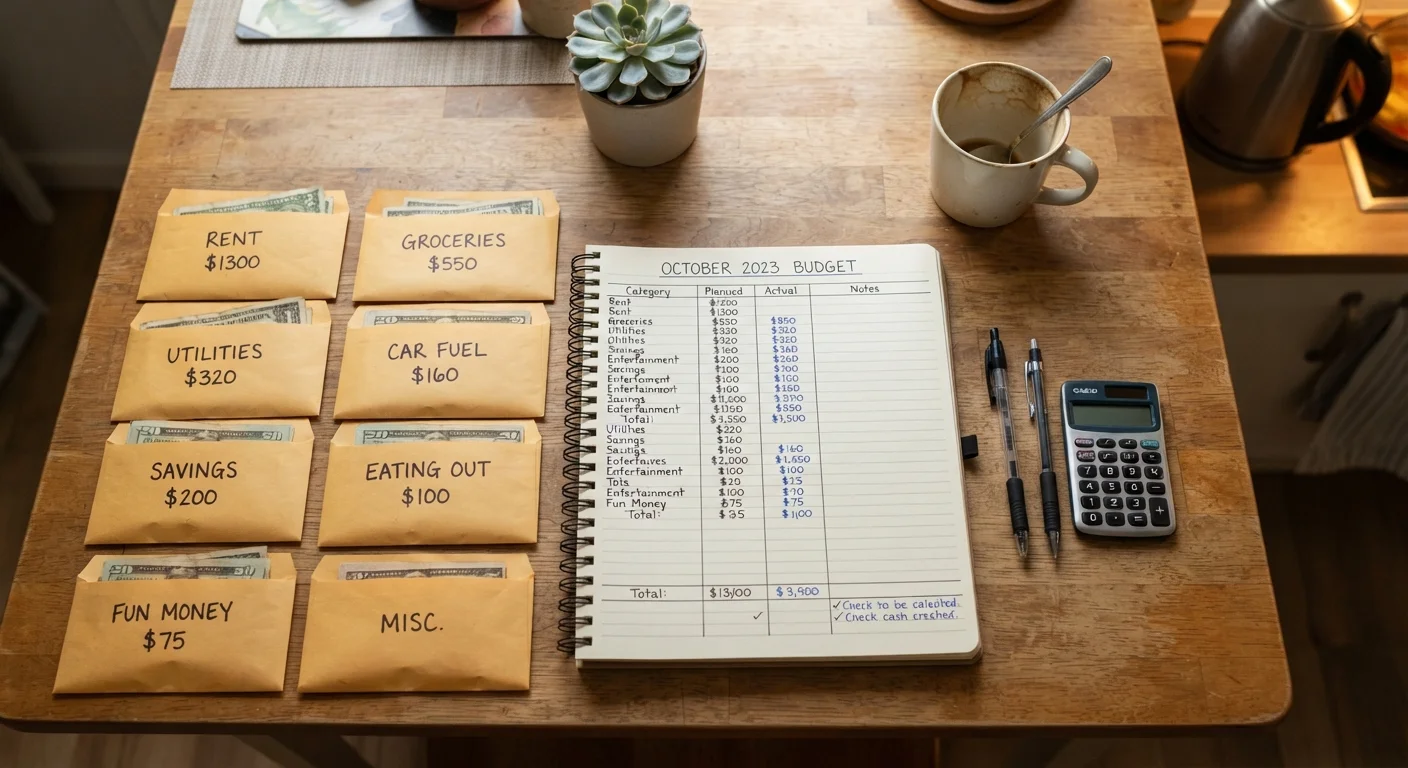
Envelope budgeting divides spending into categories and assigns a fixed amount of money to each one. Traditionally this meant physical cash in labeled envelopes: when the grocery envelope was empty, grocery spending stopped until the next pay period. Digital versions of the method replicate the same logic using apps or spreadsheet columns instead of paper envelopes.
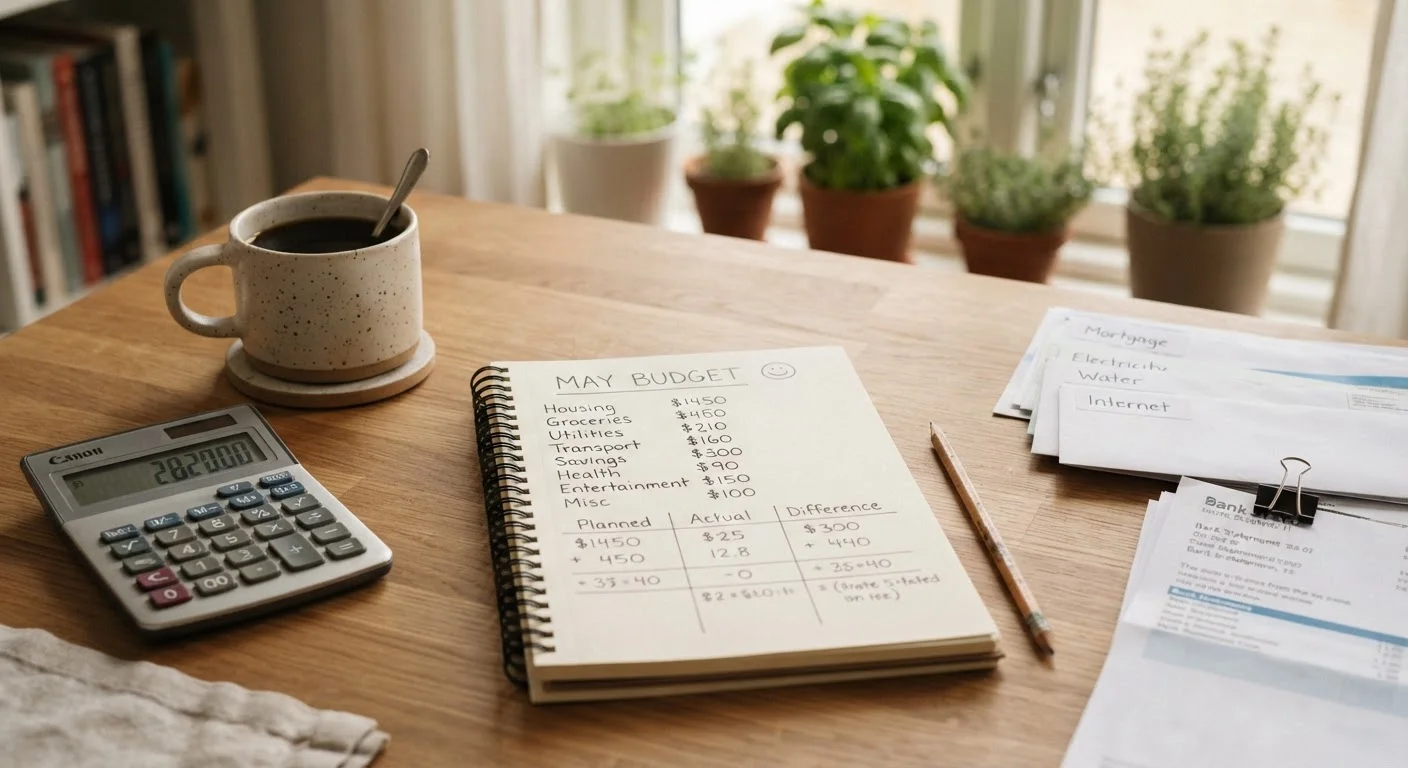
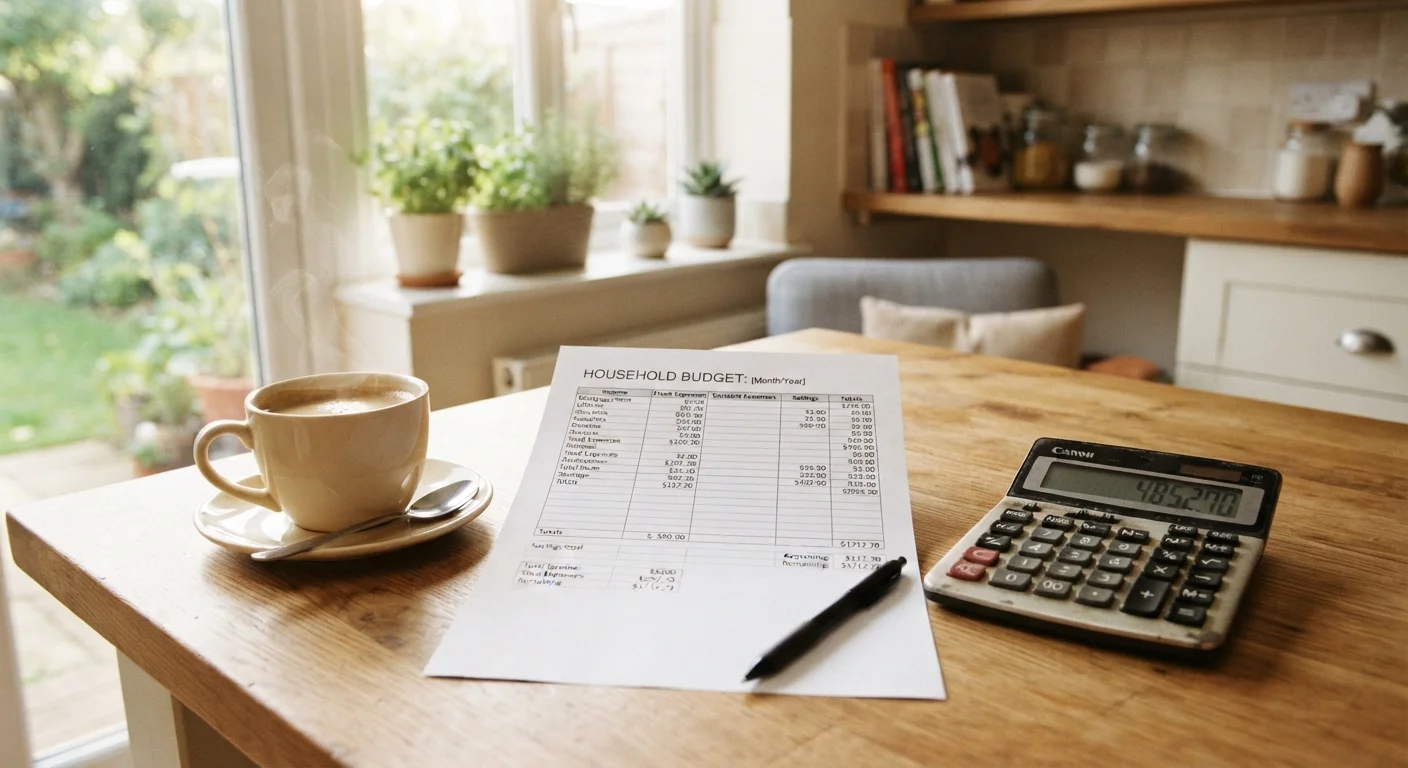
Zero-based budgeting starts from the same place every month: total household income. You then assign every dollar to a category, whether that category is rent, car insurance, savings, a vacation fund, or the electric bill, until income minus all assignments equals zero. No dollar sits unassigned. For a full primer on how household income and spending categories connect, see our plain-language breakdown of family budgets.
The core difference: envelope budgeting focuses mainly on discretionary categories like food, clothing, and fun money. Zero-based budgeting covers every expense a household has, including fixed costs. Understanding the difference between fixed and variable expenses matters here; this reference guide on fixed vs. variable expenses defines both with household examples.
Practical setup for families
Setting up envelope budgeting takes about 30 to 60 minutes. List the spending categories where your family tends to lose track, assign a monthly dollar amount to each, and fund those envelopes when income arrives. Most families use between five and ten categories. Fewer categories means less administrative work, which matters when a household has young children and limited free time.
Zero-based budgeting takes longer to set up because it requires listing every expense a household carries, including annual or irregular bills. A common approach is to list all known fixed costs first, then allocate money to variable categories, then assign remaining dollars to savings or debt repayment. If building an emergency fund is part of your household plan, that allocation belongs in the zero-based budget as a named line item, not an afterthought; building a starter emergency fund on a tight income walks through how to size that cushion.
| Criterion | Envelope budgeting | Zero-based budgeting |
|---|---|---|
| Setup time | 30-60 minutes | 1-3 hours initially |
| Scope of coverage | Variable/discretionary categories | Every dollar of income |
| Best for income type | Steady, predictable income | Steady or irregular income |
| Learning curve | Low | Moderate |
| Tracks fixed bills | Not by default | Yes, as named line items |
| Ongoing maintenance | Low to moderate | Moderate to high |
| Works without an app | Yes, with physical cash | Yes, but spreadsheet helps |
Families with irregular income face an extra step under either method. With zero-based budgeting, the standard practice is to build the budget around a conservative income estimate and treat any extra as a bonus allocation when it arrives. With envelope budgeting, some households fund only essential envelopes first and fill discretionary ones from whatever remains.
Where each method tends to break down
Envelope budgeting can create blind spots. Because it focuses on a short list of variable categories, fixed costs like insurance premiums, subscription services, and car maintenance may not get the same scrutiny. A family can follow envelope rules perfectly and still end the month short because a semi-annual bill arrived unplanned.
Zero-based budgeting has a different failure mode: it can become too complex to maintain. When every line item needs a number, a busy household may let the budget slip after the first month when life interrupts the planning routine. The method also assumes predictable income, which does not describe every family's situation.
Both methods require honesty about spending. Underestimating a grocery envelope or leaving a recurring subscription out of the zero-based budget produces the same result: the numbers look fine but reality does not match them. Consistent monthly reviews, even short ones, address this for both approaches.
Choosing the right fit for your household
The method that works is the one the household will actually use consistently. A technically superior system that gets abandoned after six weeks produces nothing useful.
Envelope budgeting is generally easier to start because it requires fewer decisions up front. If your family's main problem is overspending in two or three categories, targeted envelopes for those categories may be all you need. It also pairs well with automatic payments for fixed bills, so you are not manually tracking everything.
Zero-based budgeting suits households that want full visibility, including families working toward a specific financial goal such as paying down debt or saving for a large purchase. Because every dollar has a destination, it is harder for money to disappear without explanation at month end. These habits can extend to other financial decisions too; weighing financing vs. paying cash for a vehicle is one example where having detailed spending data helps.
Some families combine both: a zero-based structure for the full budget and envelope-style limits for the two or three categories most prone to overspending. Neither method is permanent. Households change, income changes, and a budgeting approach can change with them.
This article is for general informational purposes only and does not constitute personalized financial advice. Consult a licensed financial professional for guidance specific to your household situation.