
Why the 'healthy food is too expensive' belief persists
The idea that nutritious food costs more than families can afford is widespread, and it is not entirely without basis. Specialty grocery stores, trendy superfoods, and premium organic lines do carry high price tags. The problem is that this visible premium gets generalized to all whole foods, which distorts how families allocate their grocery dollars.
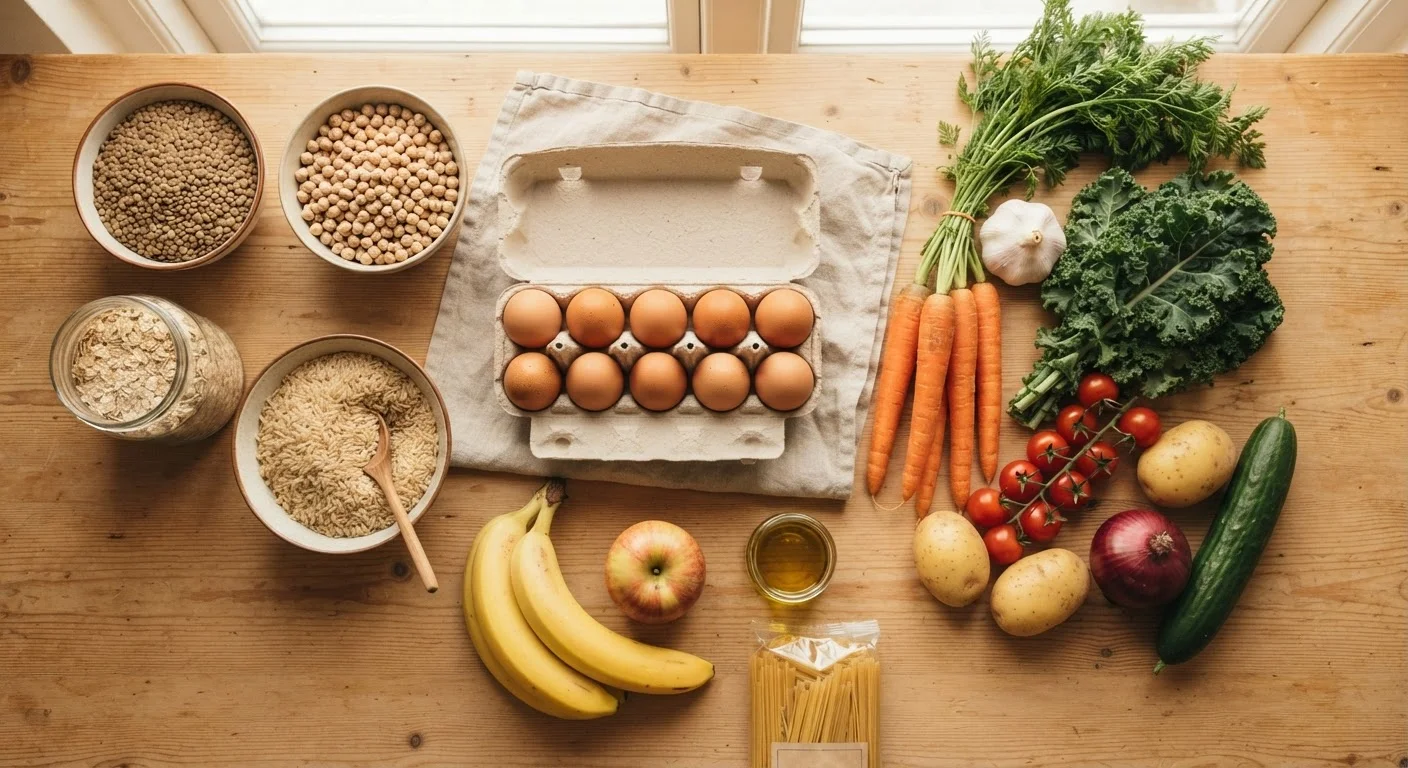
USDA Economic Research Service analyses have repeatedly found that when food is measured by nutrient density per dollar rather than by package price, whole foods like dried beans, lentils, oats, canned tomatoes, and frozen spinach rank among the most economical choices available. The perception gap exists because marketing pushes aspirational products into view while staples stay quietly on lower shelves.
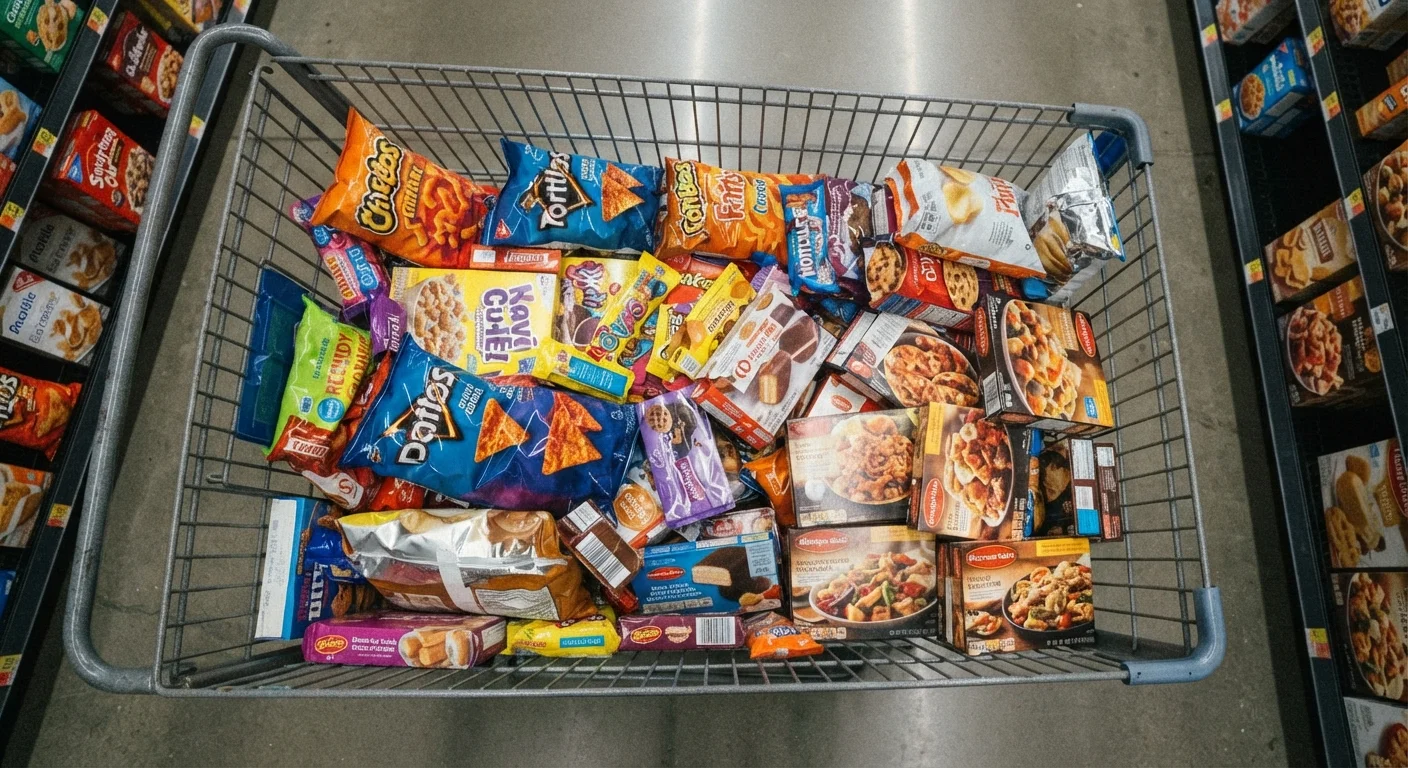
For families trying to stretch a grocery budget, this distinction matters. Ultra-processed food can carry hidden costs that are easy to miss when comparing checkout totals. Understanding where the real value lies in the grocery store is a more productive starting point than assuming the healthiest options are out of reach.
Myth
Eating healthy always costs significantly more than eating on a tight budget.
Fact
Per nutrient delivered, many whole foods are cheaper than processed alternatives, according to USDA cost-per-nutrient analyses.
Processed snacks, convenience meals, and sugary drinks often cost more per calorie and deliver fewer vitamins, minerals, and fiber than dried legumes, oats, or frozen vegetables. When you measure food by what it provides nutritionally rather than by package weight, the math often favors whole foods. A pound of dried lentils, for example, yields multiple servings rich in protein, iron, and fiber at a fraction of the cost of most packaged dinner products.
Myth
Fresh produce is always nutritionally superior to frozen or canned.
Fact
Frozen and canned vegetables and fruits are nutritionally comparable to fresh in most cases, and sometimes retain more of certain nutrients.
Produce intended for freezing is harvested at peak ripeness and frozen within hours, which locks in vitamins. Fresh produce shipped long distances can lose water-soluble vitamins like vitamin C during transit and storage. Research published in the Journal of the Science of Food and Agriculture has found that frozen vegetables match or exceed fresh-stored equivalents for several nutrients. Canned vegetables with no added salt are similarly a cost-effective, nutritious option. This matters for budget planning because frozen and canned options are shelf-stable and frequently go on sale.
Myth
You need to buy organic to eat healthily.
Fact
Conventional produce provides well-documented health benefits, and no large-scale study has demonstrated that organic produce produces meaningfully better health outcomes.
The nutritional differences between organic and conventional produce are generally small and inconsistent across published research. Major health organizations, including the Academy of Nutrition and Dietetics, acknowledge that eating more fruits and vegetables regardless of farming method is the priority. For families on a tight budget, the organic premium, often 20 to 100 percent higher per item, is not justified by the available evidence on health outcomes. Buying conventional and increasing total produce volume is a sounder use of limited dollars.
Myth
Whole grains cost more than white rice or white bread.
Fact
Bulk whole grains like brown rice, rolled oats, and whole wheat flour are commonly priced at or below their refined counterparts when purchased in comparable quantities.
The price premium for whole grains usually appears in branded, single-serving, or specialty packaged products. Plain bulk oats, dried brown rice, and store-brand whole wheat bread are typically priced competitively with refined versions. Oats in particular are one of the most affordable sources of soluble fiber, which research associates with cardiovascular and digestive health benefits. Buying these items in larger quantities, when storage allows, lowers the per-serving cost further.
Myth
Preparing whole foods from scratch takes too much time to be practical for busy families.
Fact
Many nutrient-dense whole foods require minimal preparation and can be batch-cooked efficiently, reducing total weekly kitchen time.
Dried beans cooked in a slow cooker or pressure cooker require little active effort. Oatmeal takes about five minutes. Frozen vegetables steam in a few minutes. Eggs cook in under ten minutes in multiple forms. Batch-cooking grains and legumes once or twice a week and storing them in the refrigerator provides ready ingredients for several meals. The time barrier is real for some households, but it is smaller than commonly assumed for core whole-food staples, and it shrinks with repeated practice and a consistent weekly routine.
What the research actually supports
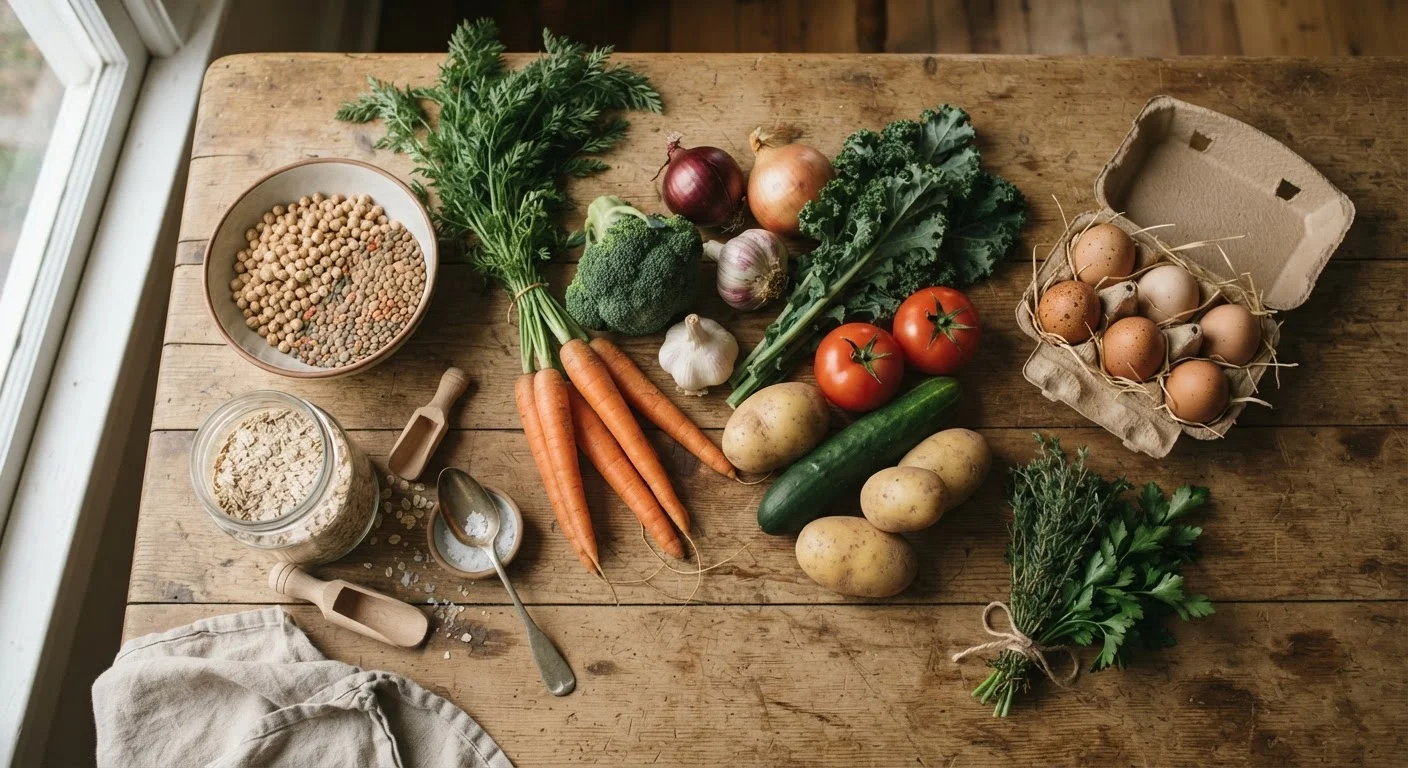
Nutrition scientists generally measure dietary quality using metrics like nutrient density, fiber content, glycemic load, and micronutrient variety. By those measures, the foods that perform well are not the expensive ones. Eggs, canned sardines, dried black beans, frozen broccoli, brown rice, and bananas all score high on nutrient delivery relative to cost.
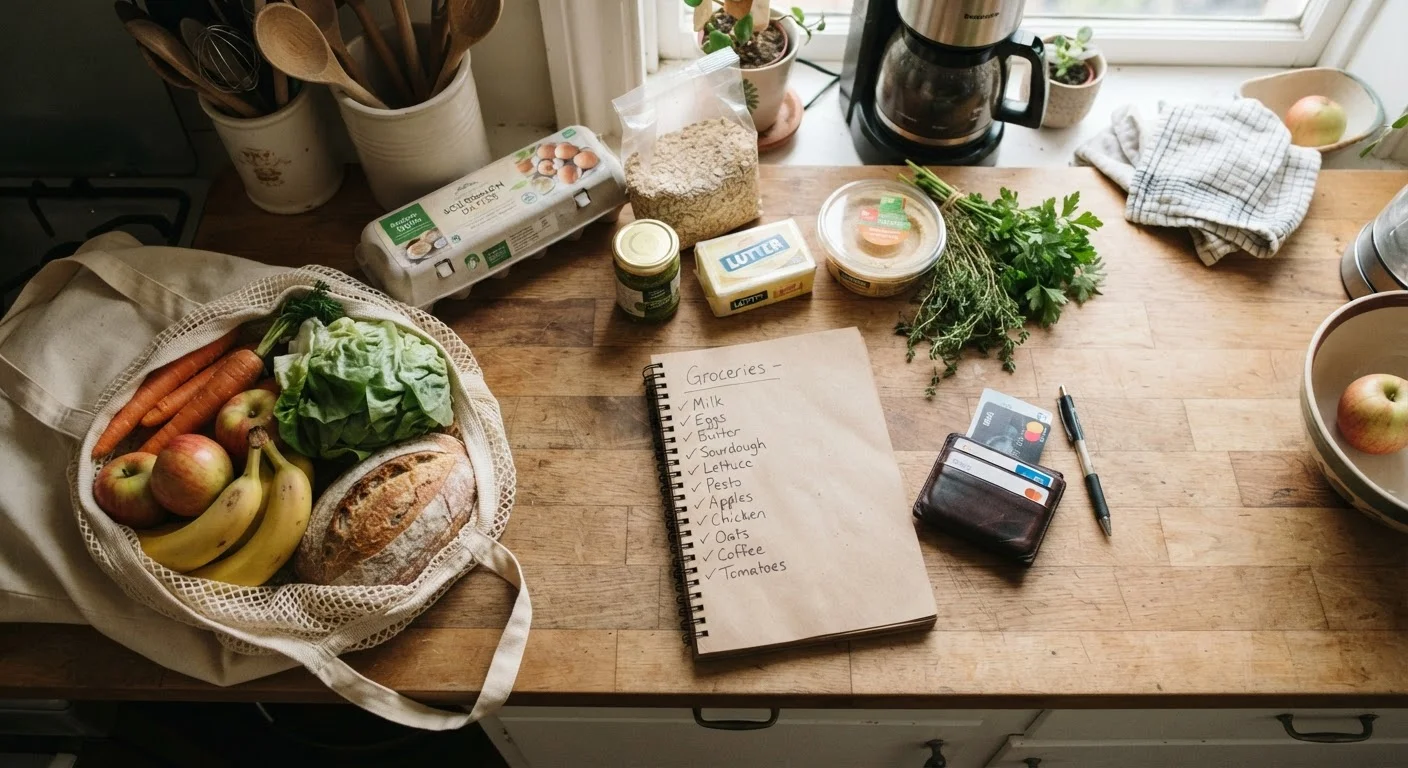
A structured weekly meal plan built around these staples can cover most of a family's nutritional needs without requiring specialty ingredients. The research on dietary patterns, including work published through the Harvard T.H. Chan School of Public Health, consistently shows that plant-forward diets centered on whole grains, legumes, vegetables, and modest amounts of animal protein are associated with better long-term health outcomes. Those food categories are not the expensive tier of the grocery store.
Families who want a broader view of how grocery spending decisions interact with health tradeoffs may also find it useful to examine common grocery spending myths that can quietly inflate the household food bill.
This article is for general informational and educational purposes only. It is not medical or nutritional advice. Consult a qualified healthcare professional or registered dietitian before making significant changes to your family's diet, particularly for children, pregnant individuals, or those managing chronic health conditions.