
Why overfeeding is so common
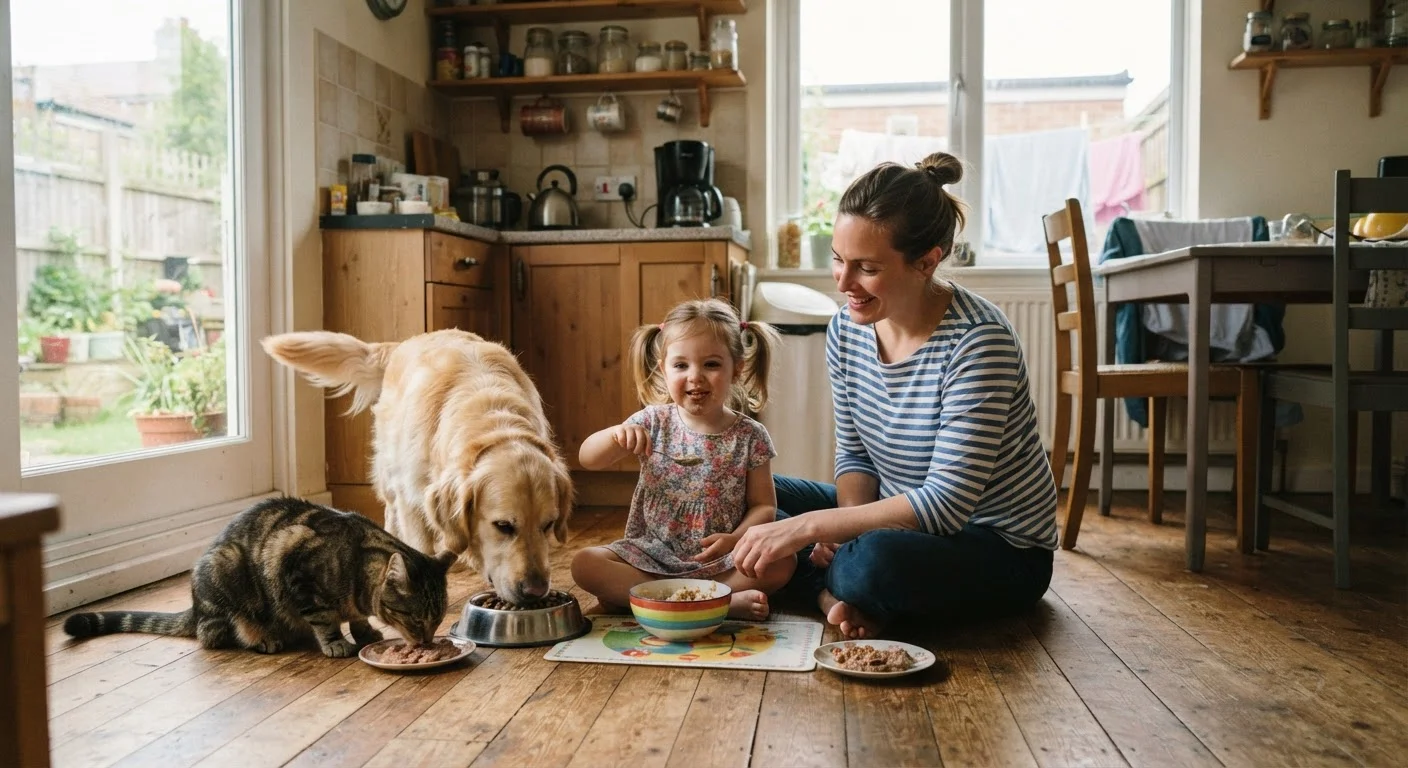
Most pet owners feed with good intentions, and that is exactly where the problem starts. Food is care, and it is easy to confuse a full bowl with a well-nourished pet. Pet food packaging adds to this by printing feeding guidelines based on average activity levels and ideal body weights, two variables that frequently do not match a specific animal at a specific point in its life.
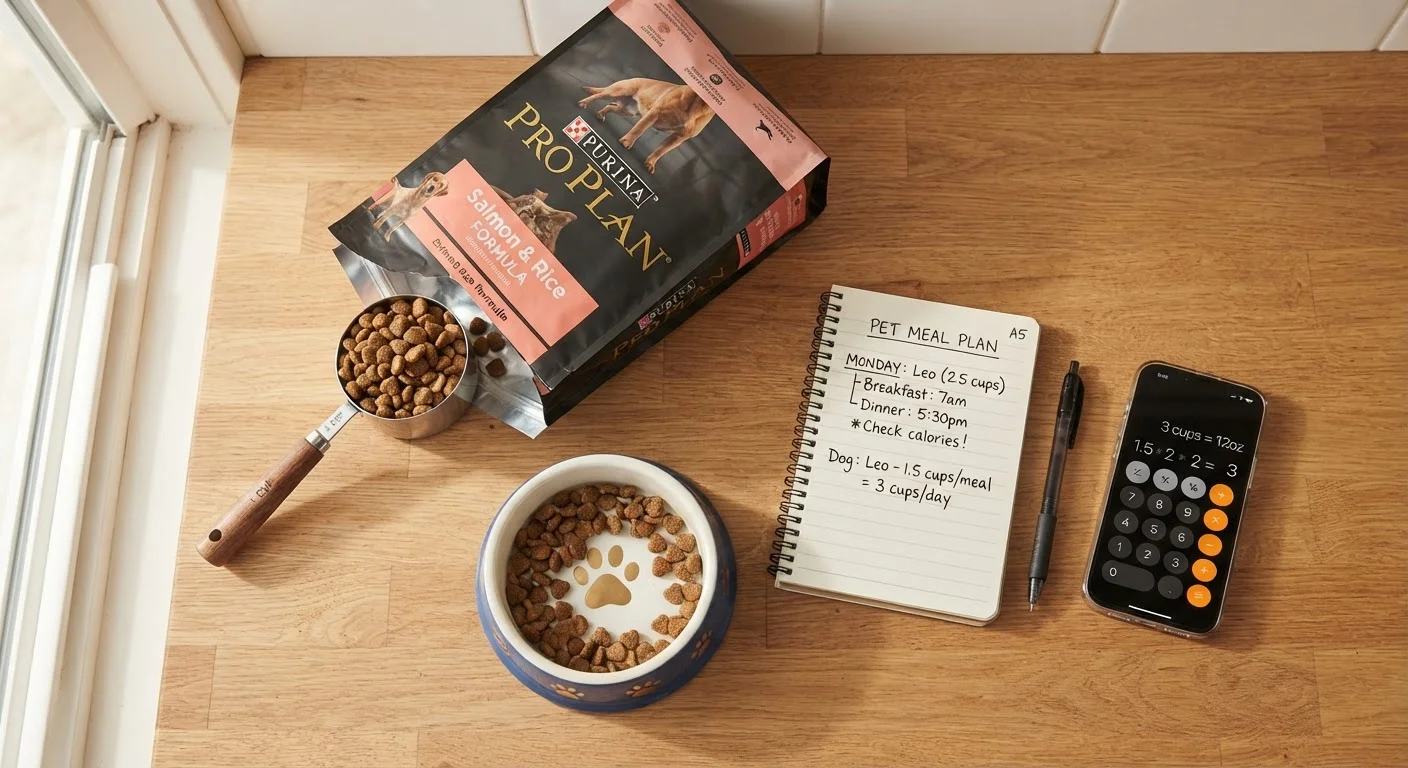
A sedentary indoor cat needs considerably fewer calories than the same-weight cat that spends time outdoors. A dog recovering from an injury burns less energy than one on daily walks. When the package says "1.5 cups for a 30-lb dog" and the owner measures generously, the gap between recommended and actual intake compounds over weeks. That gap costs money, and it can cost the pet's health.
Nutrition basics and portion sizing for budget-conscious families covers how to read those guidelines more critically, which is a useful foundation before diving into the specific mistakes below.
Relying on volume measures instead of weight to portion dry food.
Why it happens: Measuring cups are the tool most owners have on hand, and the habit of using them feels accurate enough. Kibble density varies significantly between brands and even bag sizes, so the same cup volume can represent very different calorie counts.
Treating the bag's feeding guideline as the correct amount for every individual pet.
Why it happens: The guideline is printed prominently and feels authoritative. Most owners do not have a reason to question it unless a veterinarian specifically raises the issue.
Not counting treats in the day's total caloric intake.
Why it happens: Treats feel separate from "real" food, and their calorie content is rarely front-of-mind when rewarding a pet or giving something as a snack.
Free-feeding without tracking consumption.
Why it happens: Free-feeding is convenient, particularly in multi-pet households or on busy days. It feels like the pet regulates its own intake, though many dogs and some cats do not self-regulate reliably.
Keeping portions the same as a pet ages or becomes less active.
Why it happens: Once a feeding routine is established, it tends to stay fixed. Owners rarely re-examine the amount unless weight gain becomes visually obvious.
The real financial impact of portion drift
Portion drift is the gradual creep upward in how much food gets served per meal, usually without anyone noticing. A cup becomes a heaped cup. A second small scoop gets added "just in case." Over a month, a family feeding 10 to 15 percent more than needed on a standard dry food bag can exhaust the supply noticeably ahead of schedule, effectively paying for an extra bag or two per year per pet.
59%
U.S. dogs assessed as overweight or obese
The Association for Pet Obesity Prevention has reported in its annual surveys that a majority of dogs assessed in veterinary practices fall into overweight or obese categories.
61%
U.S. cats assessed as overweight or obese
The same surveys indicate that cats show an even higher rate of overweight assessments, with the proportion consistently above 60 percent in recent years.
The financial math is straightforward. If a family spends $40 per month on a pet's food and consistently overfeeds by 15 percent, the corrected cost should be closer to $34 to $35. That is a modest gap per month, but it is real money over a year, and it scales with the number of pets in the household. Strategies for reducing monthly pet food spending addresses several practical ways to close that gap without changing the food itself.
Beyond direct spending, overweight pets face increased veterinary costs over time. Conditions associated with obesity in dogs and cats, including joint stress, diabetes, and respiratory strain, are documented in veterinary literature and can generate expenses far larger than any savings from buying cheaper food.
Building a schedule that works for your household
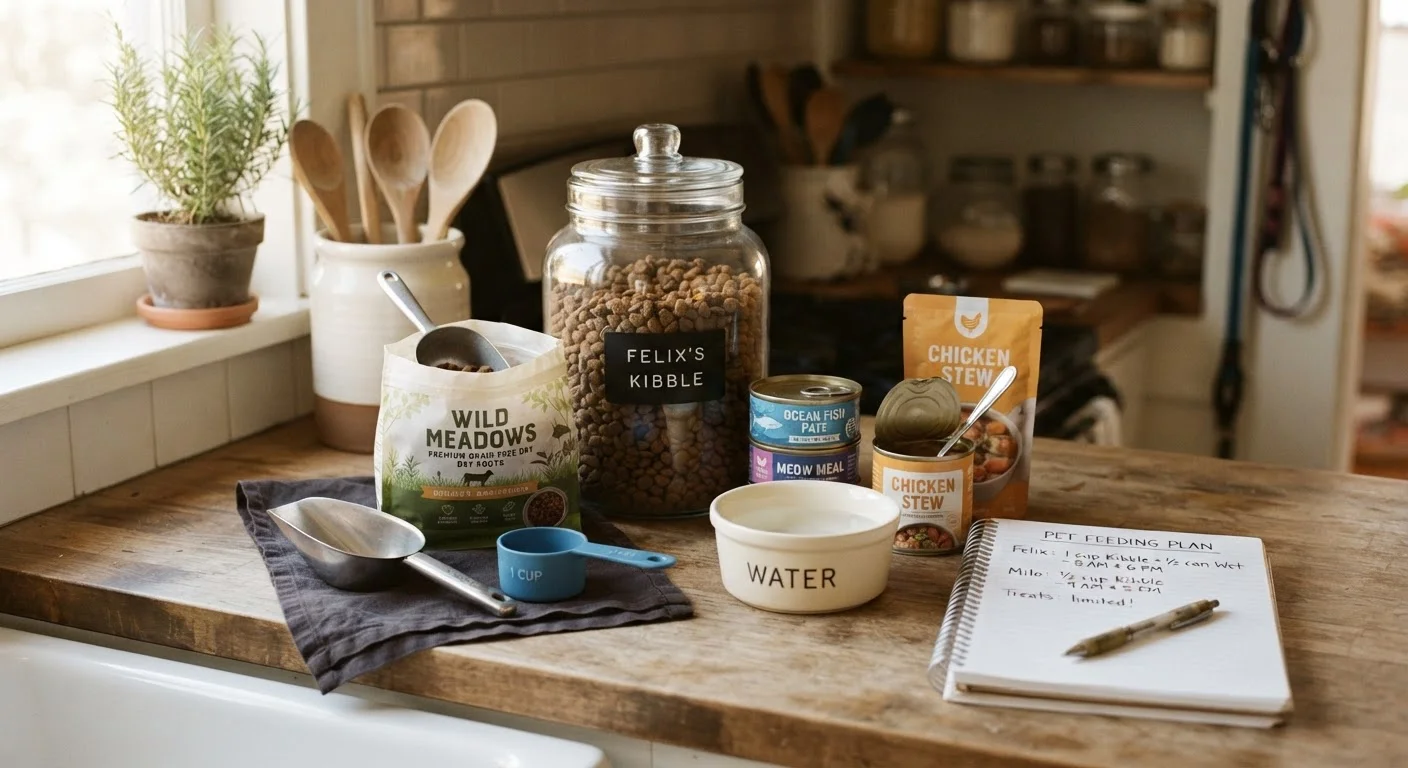
Free-feeding (leaving food out at all times) makes portion control nearly impossible. Scheduled meals with measured amounts give the owner a clear picture of what the pet actually consumes and make it much easier to notice when appetite changes, which can be an early sign of illness.
Two meals per day works well for most adult dogs and cats, though veterinary guidance on meal frequency varies by species, age, and health status. The more important variable is consistency: feeding at the same times each day helps regulate digestion and reduces food-seeking behavior that leads owners to add extra scoops.
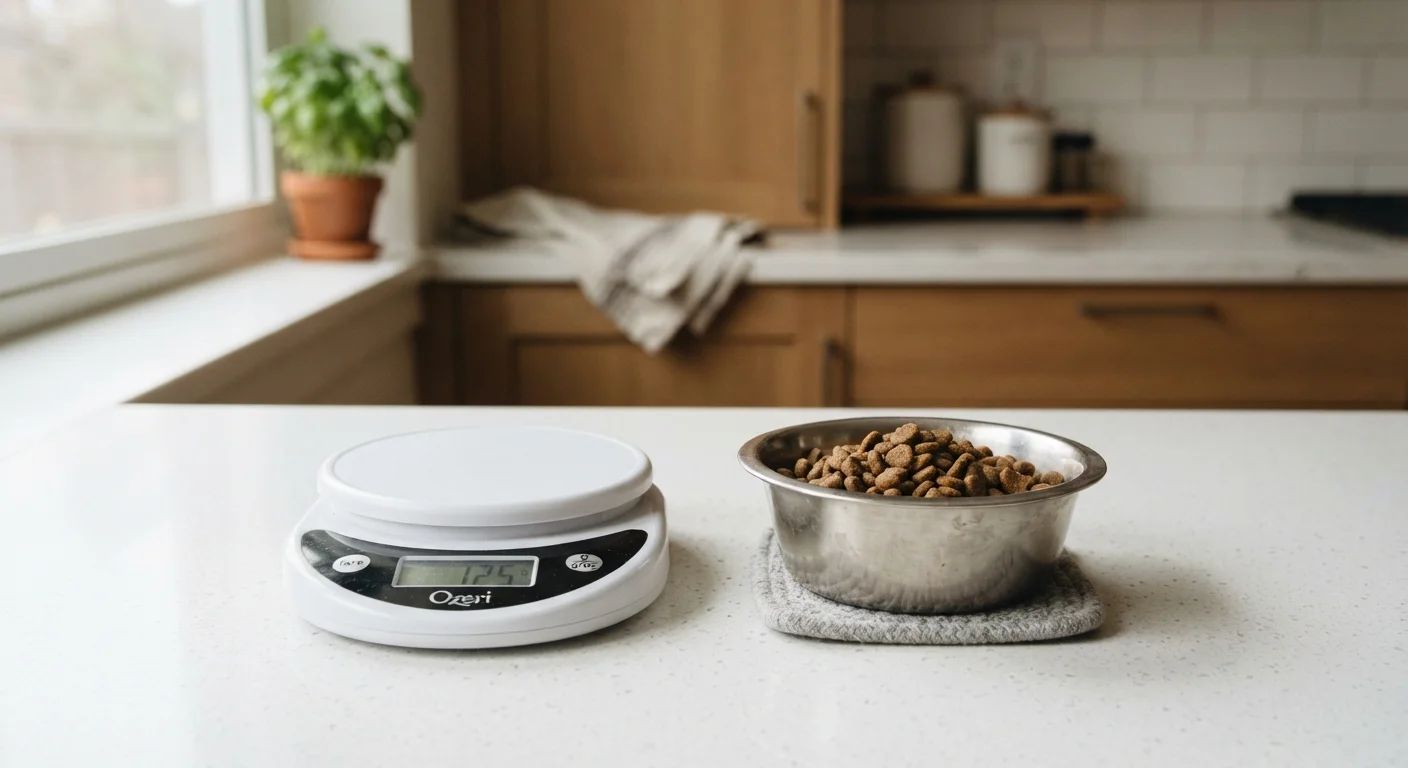
Use a dry measuring cup or, better, a kitchen scale. Volume measures for kibble vary significantly depending on kibble size and density. Weighing in grams is more accurate and removes the "heaped cup" variable entirely. Once you have established the correct daily weight from the feeding guidelines and confirmed it with a veterinarian based on your pet's body condition, the process takes about thirty seconds per meal.
A monthly checklist for reviewing your pet's diet and spending is a practical next step for families who want a structured way to verify that portions and costs stay in line over time.
This article provides general educational information about pet feeding practices. It is not a substitute for personalized veterinary advice. Consult a licensed veterinarian for guidance on your individual pet's dietary needs, health conditions, and appropriate portion sizes.