
Why price and nutrition are not the same measure
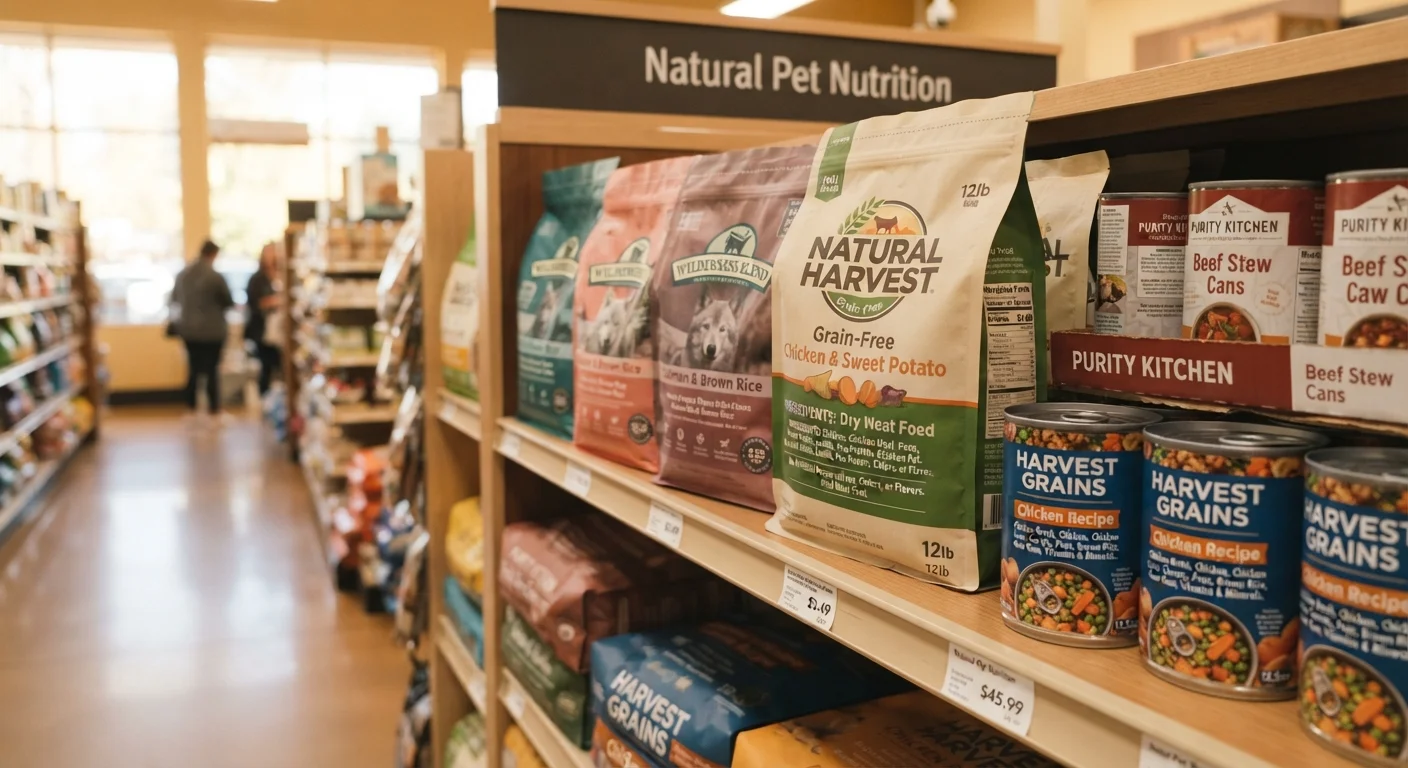
Many families assume a higher price signals a safer, more nutritious product. That assumption is understandable, but it does not hold up when you read the label closely. The Association of American Feed Control Officials (AAFCO) sets nutrient profiles that any complete-and-balanced pet food must meet, regardless of what it costs. A food carrying an AAFCO nutritional adequacy statement has cleared the same threshold whether it sells for one dollar per pound or five.
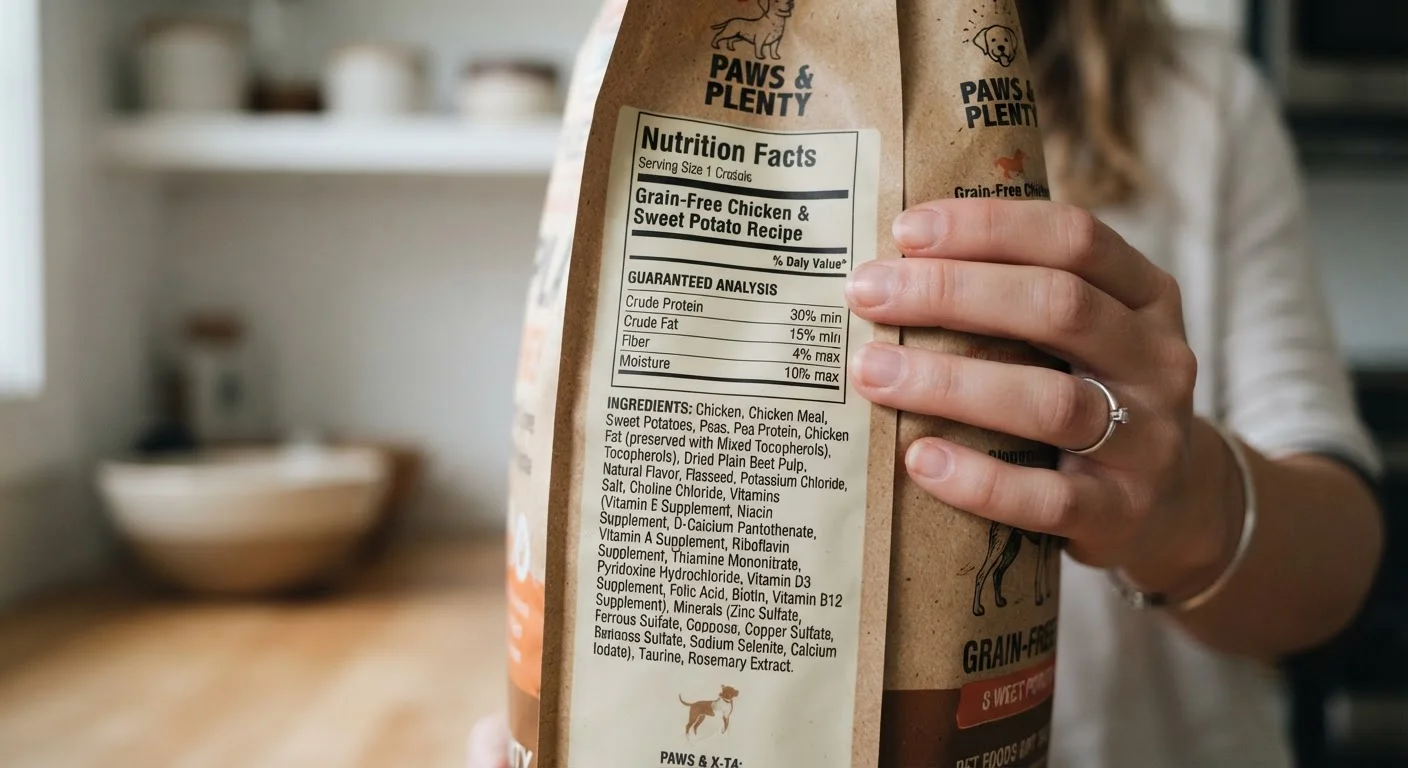
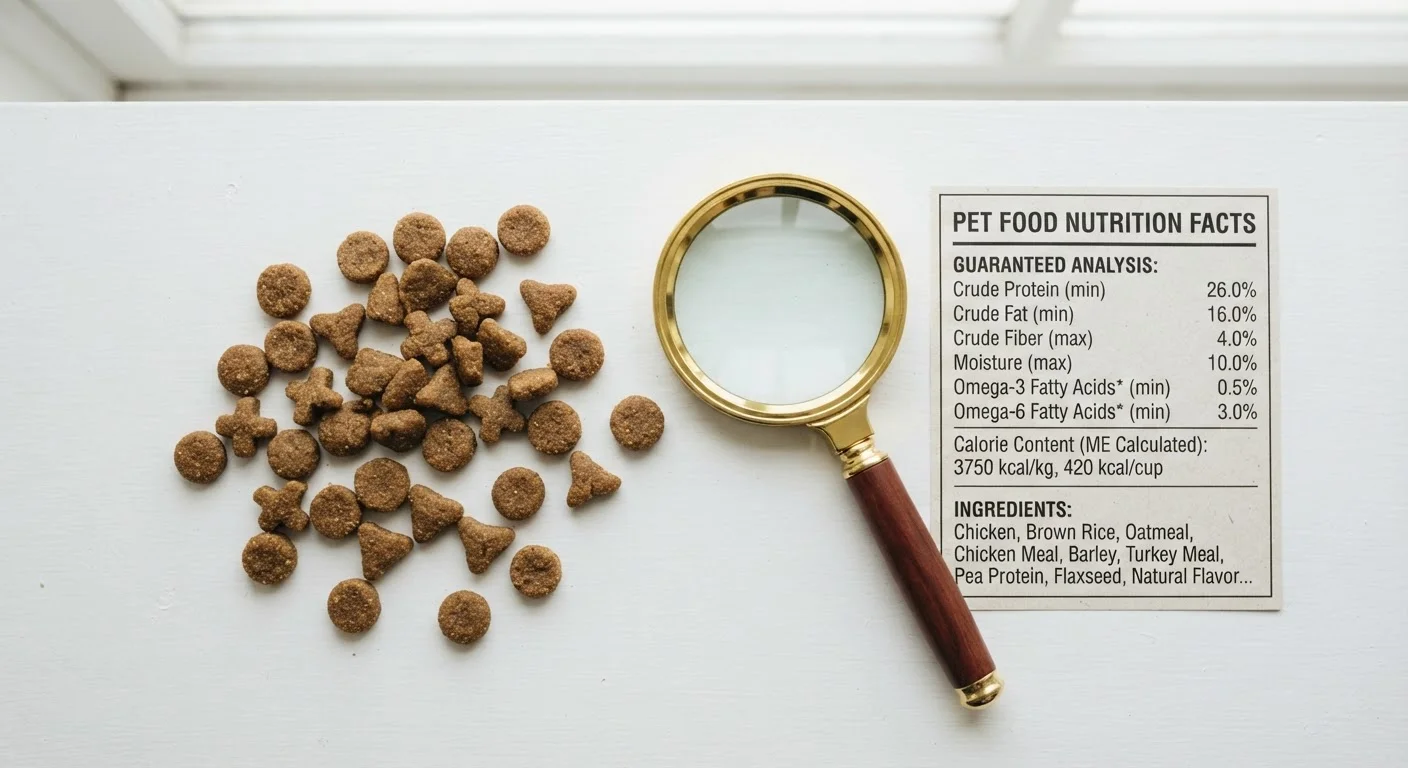
What a higher price often reflects is marketing spend, premium packaging, niche ingredients with strong consumer appeal, or simply a smaller production run. None of those factors change whether the food meets your pet's daily protein, fat, vitamin, and mineral needs. The guaranteed analysis panel and AAFCO statement on any bag or can are the two sections that actually answer the nutritional question.
Common myths about affordable pet food
Several persistent beliefs steer families toward overspending without improving their pet's health. The myth-and-fact pairs below address the most common ones.
Myth
If meat is not the first ingredient, the food is nutritionally inadequate.
Fact
Ingredient order reflects weight before processing, not the final nutrient contribution of any ingredient.
Ingredients are listed by pre-cooking weight. Whole chicken, for example, is roughly 70 percent water, so it weighs more before processing than after. A food listing corn or rice first may still deliver more usable protein per serving than one where whole chicken tops the list, once moisture is removed. What matters is the guaranteed analysis (crude protein, crude fat, crude fiber, moisture) and whether the food carries an AAFCO complete-and-balanced statement, not where any single ingredient ranks.
Myth
Meat by-products are low-quality filler with no nutritional value.
Fact
By-products such as organ meats are nutrient-dense and appear in many well-formulated foods across all price points.
AAFCO defines poultry by-products as the clean parts of slaughtered poultry other than meat, including the lungs, liver, kidneys, brain, and intestines. Those organs supply highly digestible protein, essential amino acids, and micronutrients. Many animals in the wild preferentially eat organ tissue before muscle meat. The word "by-product" carries a negative connotation in marketing, but it does not signal poor nutritional quality. The relevant question is whether the food, as formulated, meets AAFCO nutrient profiles, not whether the word "by-product" appears on the label.
Myth
Grains and corn are just cheap fillers that harm pets.
Fact
Whole grains provide digestible carbohydrates, fiber, and some protein, and are safe for most healthy dogs.
Grain-free marketing has been widespread, but the U.S. Food and Drug Administration investigated a potential link between grain-free diets high in legumes and dilated cardiomyopathy (a type of heart disease) in dogs. That investigation is ongoing and has not produced a definitive causal finding, but it has prompted veterinary nutrition researchers to question whether grain-free diets are inherently superior. For most healthy dogs without a confirmed grain allergy, grains such as rice, oats, and corn supply usable energy and nutrients. Cats are obligate carnivores and have a lower carbohydrate requirement, which is a separate consideration.
Myth
Cheap pet food uses harmful artificial preservatives that premium food avoids.
Fact
Preservative use is regulated, and many budget foods use the same preservative systems as higher-priced products.
Preservatives approved for use in pet food in the United States must meet FDA safety standards. Commonly cited preservatives such as mixed tocopherols (a natural form of vitamin E) appear across both budget and premium lines. Some synthetic preservatives like BHA and BHT are permitted at regulated levels and have been used safely for decades, though some owners prefer to avoid them. Reading the ingredient list takes guesswork out of this: the preservative system is disclosed there, regardless of what the front of the bag claims. Comparing store-brand and name-brand pet food covers how to weigh these distinctions across price tiers.
Myth
All pet foods sold in stores meet the same safety standards, so labels do not matter.
Fact
AAFCO statements vary: "complete and balanced" means something specific, and not every food on the shelf makes that claim.
Some products are formulated as complementary or supplemental foods, meaning they are not intended to be fed as a sole diet. Others are marketed as treats. Without an AAFCO complete-and-balanced statement, a product has not been confirmed to meet minimum nutrient requirements on its own. Feeding such a product as a primary diet over time can produce deficiencies. Looking for the phrase "complete and balanced for [life stage]" is the fastest way to confirm a food is intended as a full diet, and that check costs nothing regardless of which price tier you shop in.
How to use cost per serving instead of sticker price
A 40-pound bag that costs more upfront can cost less per meal than a 15-pound bag that looks cheaper on the shelf. Divide the total price by the number of cups or servings listed on the feeding guide, and compare that figure across options. A food with a denser nutrient profile may also call for smaller serving sizes, which stretches a bag further.
For wet food, compare by the ounce or by the number of cans a typical daily portion requires. Once you run those numbers, the price gap between budget and premium options often narrows or reverses. Practical strategies for reducing monthly pet food costs can help you apply this thinking to your regular shopping routine.
If you want to go deeper on what individual ingredients actually signal, a plain-language ingredient reference covers the terms families encounter most often on budget food labels.